CARD FEES
Credit card processing fees explained, and how to pay less
Every card sale costs a percentage plus a few cents, and monthly fees come on top. Truvana Tech marks every fee on your statement with you, in English or Spanish, for small businesses in DC, Maryland and Northern Virginia.

- Updated November 10, 2026
- Sources linked
- Statement review in English or Spanish
How a card processing fee is built
Every card fee has three parts. Interchange and network fees cost the same whichever processor you use, so the markup and the monthly fees are where processors really differ, and where you can save.
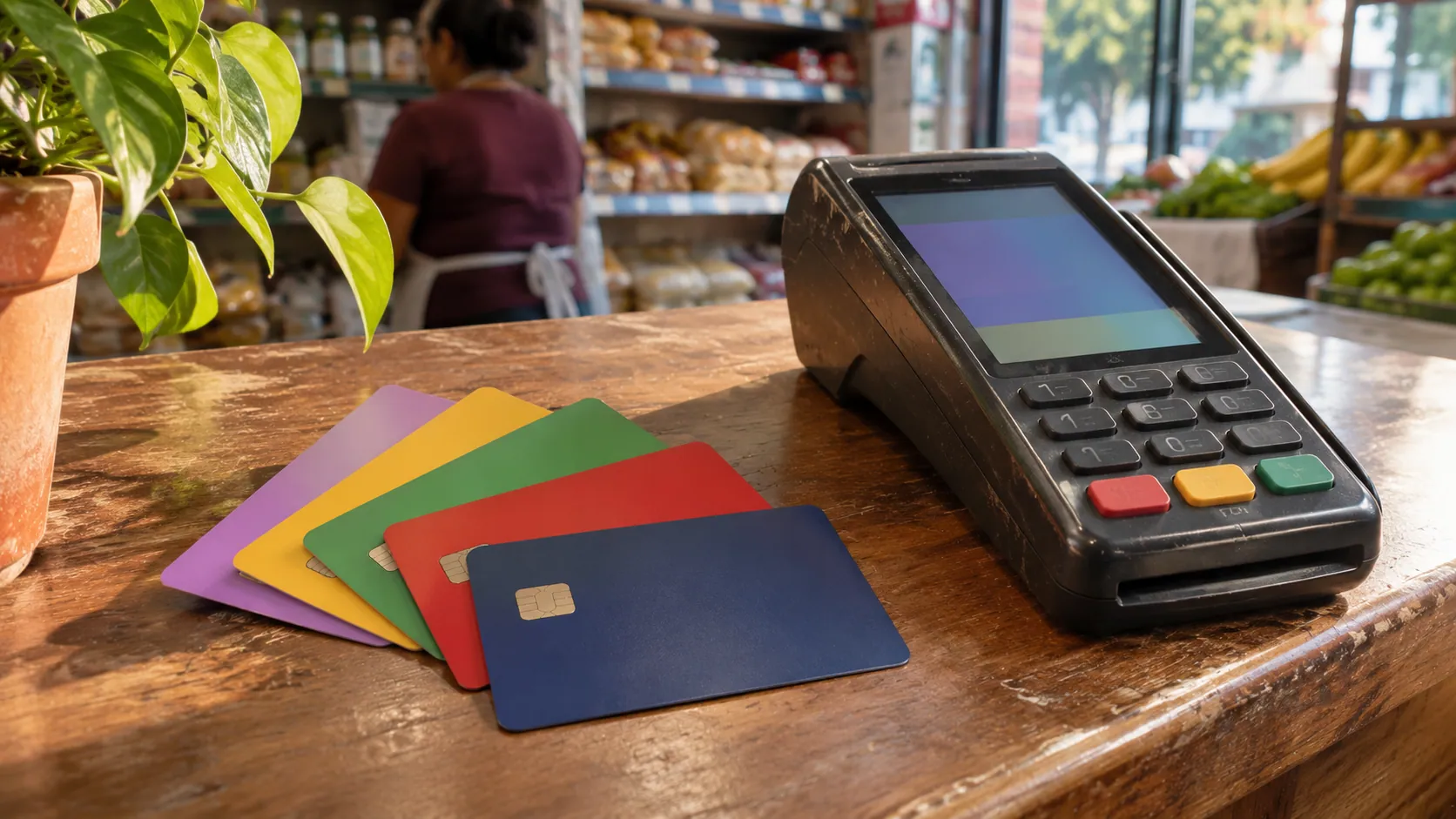
Interchange, to the card's bank
On a credit card, the biggest part. The card network sets the rate by card type and by how the card is taken, and the bank that issued the card keeps it.
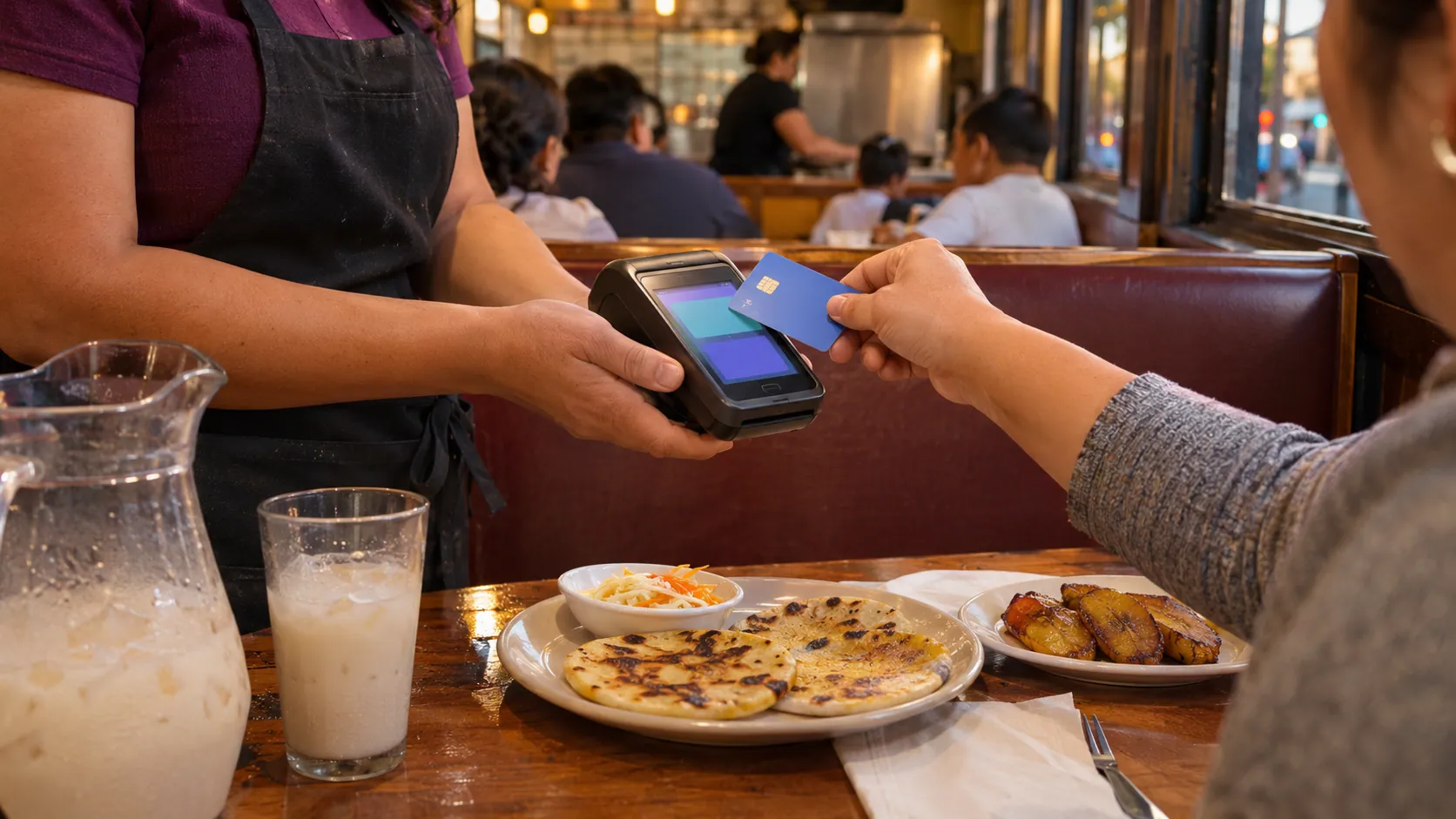
Network fees, to the card brand
Small percentages and per-sale fees for Visa, Mastercard, Discover or American Express, often called "assessments" on a statement.
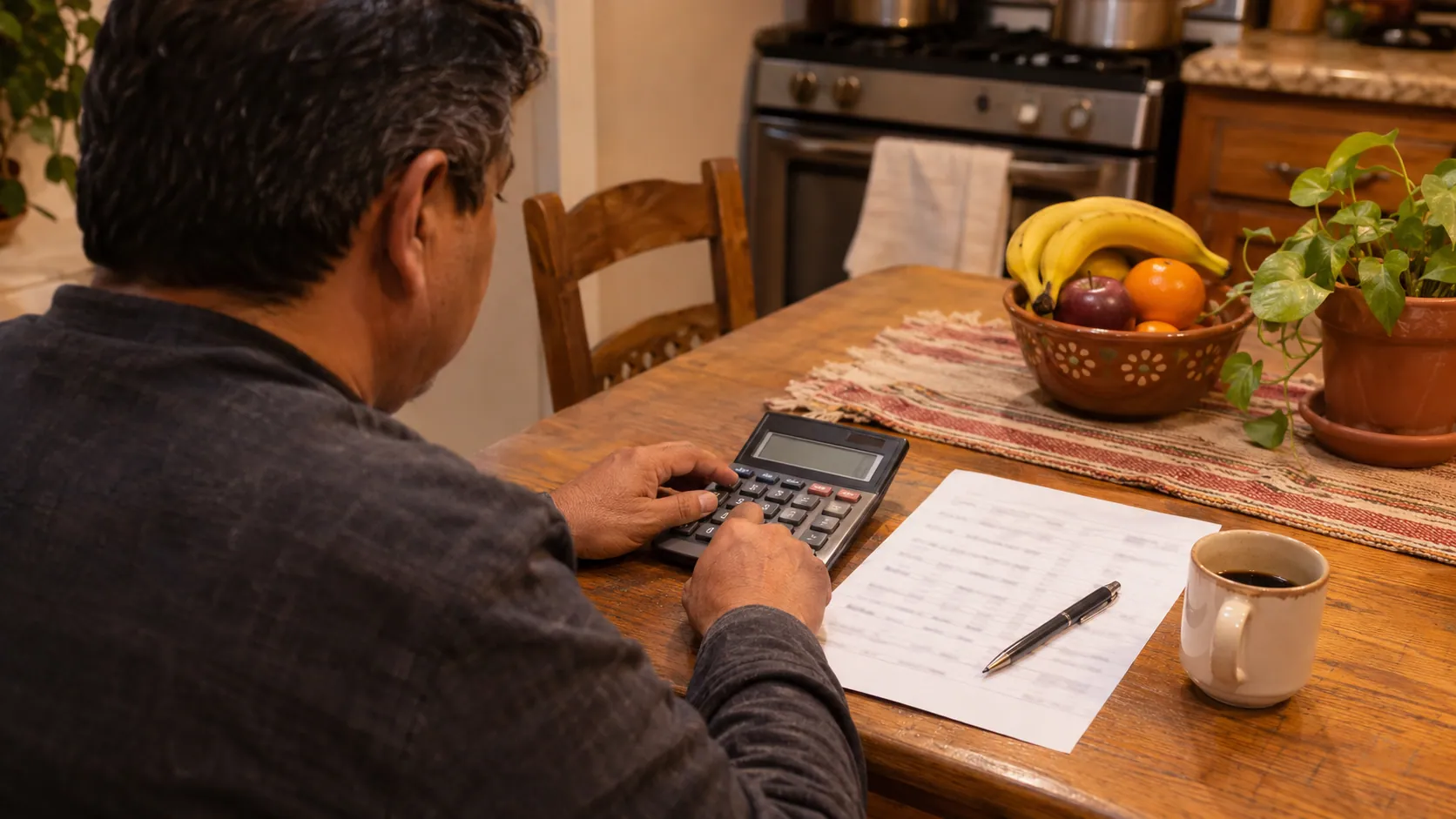
Markup, to your processor
A percentage, cents per sale, monthly fees, or all three. It is the one part processors set themselves, so it is the part to compare.
Why some card sales cost more
Interchange, the biggest part of a credit card fee, changes with the card and how it is taken.
| Card, and how it is taken | Visa interchange |
|---|---|
| Credit card, tapped or dipped in a store | 1.29% + 10¢ to 2.30% + 10¢, by card and business size |
| Debit card from a large bank | About 0.05% + 22¢, capped by federal rules |
| Keyed in or online | More than the same card tapped or dipped |
| A sale that doesn't qualify | Can cost 3.15% + 10¢ |
Visa's standard retail rates, effective October 24, 2026 (Visa).
Average credit card processing fees in 2026
For in-person card sales, flat rates are usually about 2.3% to 2.9% plus a few cents per sale. Monthly fees come on top, so compare what you pay in total, not just the rate.
| In person | Keyed in or online | Monthly | |
|---|---|---|---|
| Square | 2.6% + 15¢ on the free plan; 2.5% + 15¢ on Plus; 2.4% + 15¢ on Premium | 3.5% + 15¢ keyed in; online 3.3% + 30¢ on the free plan, 2.9% + 30¢ on paid plans | $0, $49 or $149 per location |
| Clover | 2.3% + 10¢ on Clover's own restaurant pricing; resellers set their own | Varies by plan and reseller | Restaurant plan: $179 per month for 36 months, or $1,799.00 up front plus $89.95 per month |
| Toast | Not published | Not published | POS plans from $69 per month |
Checked November 10, 2026: Square fees, Square plans, Clover restaurant pricing, Toast pricing. Compare them in Square vs Clover and Toast vs Clover.
A $100.00 card sale, worked out
| How the card is taken | Rate | Fee on $100.00 | You keep |
|---|---|---|---|
| Tapped or dipped, Square free plan | 2.6% + 15¢ | $2.75 | $97.25 |
| Tapped or dipped, Clover's own restaurant pricing | 2.3% + 10¢ | $2.40 | $97.60 |
| Online, Square paid plans | 2.9% + 30¢ | $3.20 | $96.80 |
| Keyed in by hand, Square | 3.5% + 15¢ | $3.65 | $96.35 |
A $49 monthly fee adds 49¢ to each sale if you make 100 card sales a month.
We set up card processing with a restaurant POS, a retail POS or a wireless card machine.
Pricing models: flat rate, interchange-plus, tiered and membership
Processors package the same costs in four ways, and which one costs least depends on your sales.

Flat rate
- ■One rate, such as 2.6% + 15¢, on most in-person cards
- ■Good for small businesses that want a simple bill
- ■Watch for: the same rate on a cheap debit card as on a premium rewards card
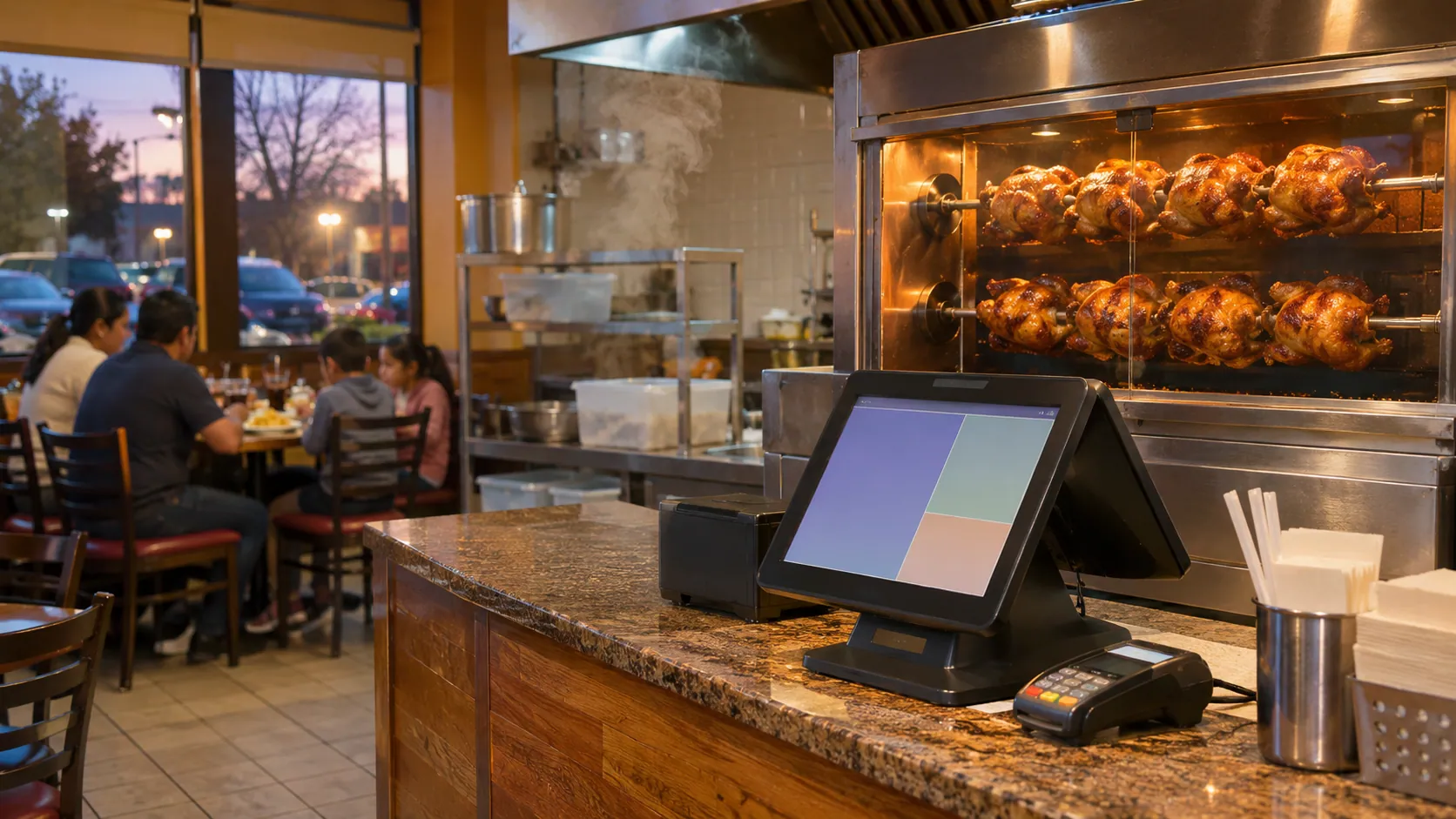
Interchange-plus
- ■Interchange at cost plus a fixed markup, such as 0.30% + 10¢ (an example)
- ■Good for steady sales and owners who check every cost
- ■Watch for: longer statements; check the markup and the monthly fees
Tiered
- ■Sales sorted into qualified, mid-qualified and non-qualified rates
- ■Rarely the best deal
- ■Watch for: the processor decides which sales land in the costly tiers

Membership
- ■A monthly fee, interchange at cost and a small fee per sale
- ■Good for higher card sales and larger tickets
- ■Watch for: the monthly fee still comes in a slow month
Interchange-plus pricing, worked out
Interchange-plus often costs less than a flat rate as card sales grow, because debit cards pass through at their lower interchange. A Visa rewards card tapped for $100.00:
| Part of the fee | Fee |
|---|---|
| Interchange: Visa's standard 1.65% + 10¢ | $1.75 |
| Network fees (an example) | 15¢ |
| Markup: 0.30% + 10¢ (an example, not a quote) | 40¢ |
| You pay, with each part shown on your statement | $2.30 |
| The same sale on a large bank's debit card | About 67¢ before network fees |
Visa interchange effective October 24, 2026 (Visa).
The fees on your merchant statement
A merchant statement lists your card fees and a set of fixed fees. Some are normal; others are padding.
| Fee | What it is | Normal, or a warning sign |
|---|---|---|
| Monthly or account fee | A fixed charge for the account or the software | Normal if your contract names it; a warning sign if it appeared without notice |
| Batch fee | A charge each time the day's card sales are sent for deposit | Normal if small and in your contract |
| Statement fee | A charge for the monthly statement | Small, but worth asking about |
| PCI compliance fee | A charge tied to the yearly card security check | Often $50 to $240 a year, or $5 to $20 a month; some providers charge none |
| PCI non-compliance fee | A monthly penalty when the yearly security questionnaire isn't done | A warning sign; often $20 a month or more |
| Chargeback fee | A charge for each disputed sale | Normal; check the amount per dispute |
| Monthly minimum | An extra charge when your fees fall below a set amount | Hurts in a slow month; ask for a contract without one |
| Early termination fee | A charge for closing the account before the term ends | Read it before you sign |
| Equipment lease | A separate contract for the card machine | A warning sign: often can't be cancelled |
PCI fee ranges: Fit Small Business, updated June 23, 2025.

See every credit card processing fee on your statement
Send one recent statement. In English or Spanish, free and with no commitment, we mark what you pay today, what you would pay with us and what is in your current contract.
Exit fees and equipment leases
Exit fees can be a flat amount or a charge for every month left in the term. Machine leases are often separate contracts that can't be cancelled (Merchant Maverick, updated July 19, 2026).
The FTC exit fee case
In 2022, the FTC said one processor trapped small businesses, many run by owners with limited English, in three-year contracts with a $495 exit fee (FTC). Truvana Tech has no contract and no equipment lease.
The New York lease case
In 2024, New York's Attorney General secured more than $4.6 million for small businesses from one leasing company (New York Attorney General). We don't lease equipment.
Chargebacks and held deposits
A chargeback happens when a customer asks their bank to reverse a card sale. The money comes out of your account while the dispute is open, and many processors charge a fee.

Answering a dispute
Send proof, such as the receipt or messages with the customer, before the deadline. We help, in English or Spanish.
Held deposits
A processor can hold deposits when it sees something unusual, such as a sudden jump in sales or a run of disputes.
How to lower your credit card processing fees
You can't change interchange, but you can change almost everything around it. Most savings come from these five moves.
- 01
Read your statement
Add up the month's fees and divide by your card sales: that is your effective rate. Then look for fees you never agreed to and rates that crept up.
- 02
Pick the right pricing model
With steady card sales, ask for interchange-plus and compare it with your flat rate. On tiered pricing, ask for interchange-plus instead.
- 03
Tap, dip or send a payment link
Keyed-in sales cost more: 3.5% + 15¢ on Square, against 2.6% + 15¢ tapped (checked November 10, 2026). For phone orders, send a link.
- 05
Switch, after you read your contract
Find the term, the exit fee and any lease, and keep the old account open until the first new deposit.
Passing credit card fees on to customers
A surcharge adds a fee to credit card sales; a cash discount or dual pricing shows a lower price for cash.
| Who sets the rule | The rule |
|---|---|
| Visa | Surcharges capped at 3% or your cost; never on debit or prepaid cards |
| Connecticut, Maine and Massachusetts | Surcharges banned |
| DC | Fees must be disclosed before the order |
| Virginia | All-in pricing rules make checkout fees risky |
Sources: Visa's surcharge Q&A, February 15, 2024; card fee rules by state, checked November 10, 2026.
State guides: credit card surcharges in DC, Maryland's surcharge law and Virginia's surcharge law.
Truvana Tech rates and fees: a written quote after one statement
We don't post one rate for everyone, because every business takes a different mix of cards. Truvana Tech quotes card processing for restaurants and stores in DC, Maryland and Northern Virginia after one recent statement.

Free statement review
Every fee on your statement, marked
Send one recent statement. We go through it line by line in plain words: your effective rate, fees you never agreed to, rates that crept up and what you would pay with us.
- Your effective rate, worked out
- Explained in English or Spanish

Written quote
Every fee in writing before you sign
Your quote lists two things: the card processing fee and the monthly fee. There is no contract.
- Free hardware when you process with us
- No contract and no equipment lease
Rules for your state
Your state's card fee rules, explained
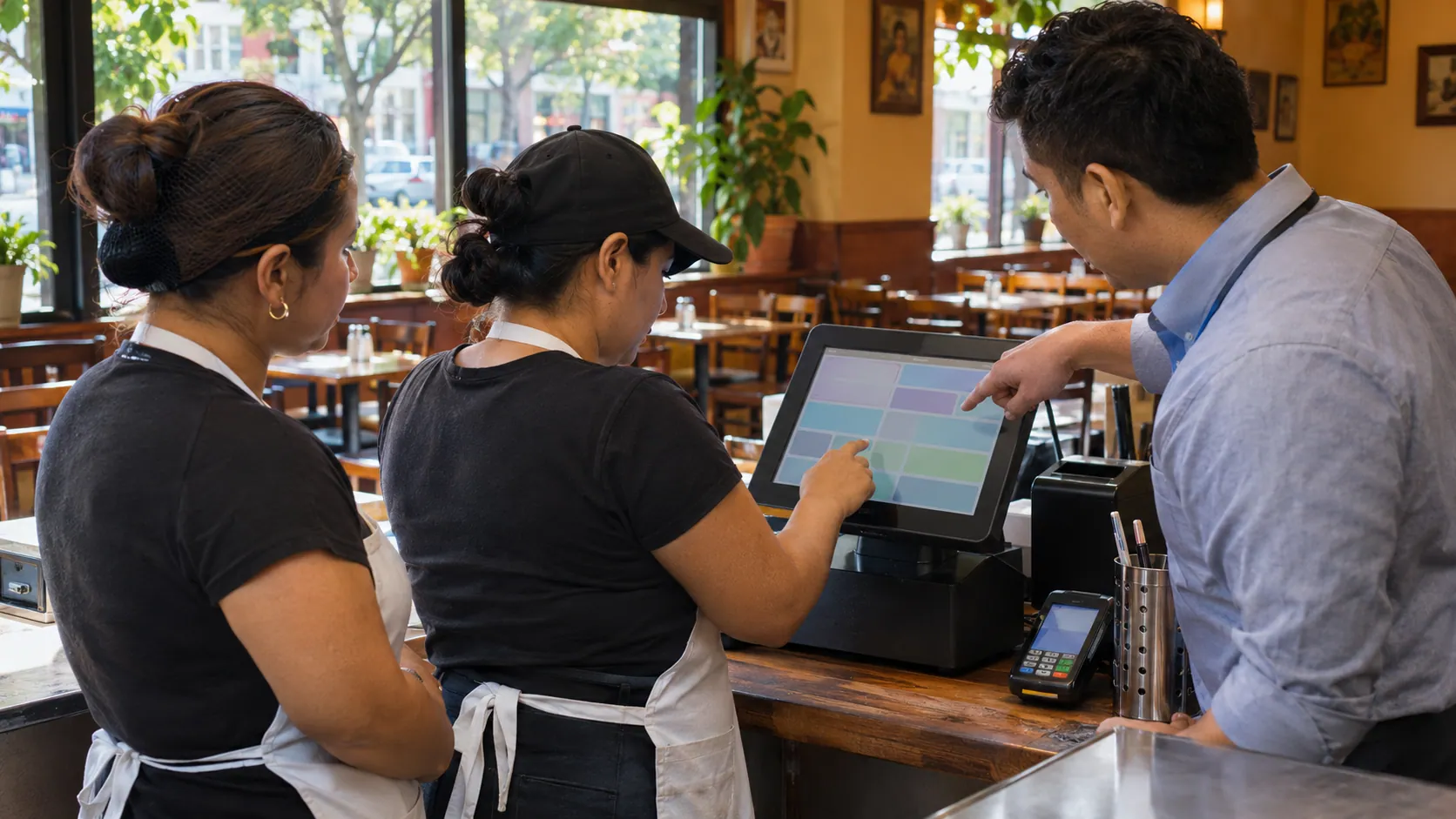
Want customers to share the card fee? We explain your state's rules and set up a cash price or a surcharge only where it's allowed, then install it and train your staff in English or Spanish.
- Guides for DC, Maryland and Virginia
- Installed and trained on site
Credit card processing fee questions
How much does Visa charge merchants?
Visa doesn't bill you directly. It sets interchange, paid to the card's bank, and charges network fees, and your processor passes both on. On Visa's standard retail rates, interchange on a credit card tapped in a store is 1.29% + 10¢ to 2.30% + 10¢ (effective October 24, 2026).
Who pays the 3% credit card fee, and is it legal?
The business pays it. Where state law allows, it can pass part of it on with a surcharge, which Visa caps at 3% or the business's cost and which never applies to debit cards. Some states ban surcharges: see the card fee rules by state.
How much is a PCI compliance fee?
Often $50 to $240 a year, or $5 to $20 a month; some providers charge none (Fit Small Business, updated June 23, 2025). PCI DSS is the card industry's security standard: once a year, most small businesses confirm their setup with a self-assessment questionnaire. If it isn't done, a non-compliance fee of $20 a month or more is added. A written quote from Truvana Tech lists any PCI fee.
Is interchange-plus better than tiered pricing?
For most owners, yes. Interchange-plus shows each card's real cost plus a fixed markup, so you can check it. With tiered pricing, the processor decides which sales land in its costlier tiers.
Can I avoid card fees completely?
Not if you take cards. You can lower them, or pass part of the cost on where your state allows it. Offers of "0%" or "sin comisiones" usually mean your customers pay a surcharge instead of you: legal in many states, but banned or risky in others, capped by Visa and printed on every receipt.
How can I prevent chargebacks?
Disputes are easier to prevent than to win. Tap or dip cards instead of keying them in, use a business name customers recognize on their card statement, and refund fair complaints quickly.
When do card sales reach my bank?
Each processor sets its own deposit schedule, and some charge extra for faster deposits. Your written quote from Truvana Tech shows when card sales reach your bank, before you sign.
Are credit card processing fees tax-deductible?
In general, yes: for most businesses they are an ordinary business expense. Ask your tax preparer where they go on your return; sole owners usually report business expenses on Schedule C.
Get a free statement review
Send one statement or tell us your monthly card sales. A person replies in English or Spanish.
Tell us about your business
Your name and email are enough to start. Write in English or Spanish.