MARYLAND
Maryland credit card surcharge law: what's allowed and what changed in 2026
Maryland has no card surcharge law, so Visa and Mastercard rules apply. Two 2026 laws matter more: cash totals may be rounded to 5 cents, and from October 1, 2026, most businesses must accept cash for $5 to $300 sales.
- Updated November 10, 2026
- Sources linked
- General information, not legal advice
Is a credit card surcharge legal in Maryland?
Yes. As of November 10, 2026, Maryland has no state law that bans or caps credit card surcharges (Nickel). That leaves the card network rules, which apply in every state.
Truvana Tech, which wrote this guide, helps small restaurants and stores in Montgomery and Prince George's counties, DC and Northern Virginia pass card fees on the way Maryland's rules allow, in English or Spanish.
| Card network rule | What it means for you | Source |
|---|---|---|
| How much | Up to 3% on Visa, or your cost of accepting the card if lower; up to 4% or your cost on Mastercard | Visa; Mastercard |
| Who to tell | Your processor, at least 30 days before you start | Visa |
| What to post | A notice at the entrance and the register, and online if you sell online, plus the surcharge as its own receipt line | Visa |
| Which cards | Credit cards only; never debit or prepaid cards, even when run as credit | Visa |
| American Express | A surcharge on Amex must match what you charge on other cards | American Express |
A cash discount works differently
With a cash discount or dual pricing, the card price is posted up front, so Visa treats it as a discount, not a surcharge (Visa). Compare all three in our cash discount guide.
Maryland credit card surcharges at restaurants and stores
A Maryland restaurant or store can add a card surcharge, post card prices with a cash discount, or show both. The bigger 2026 change: most businesses must take cash for everyday sales from October 1.
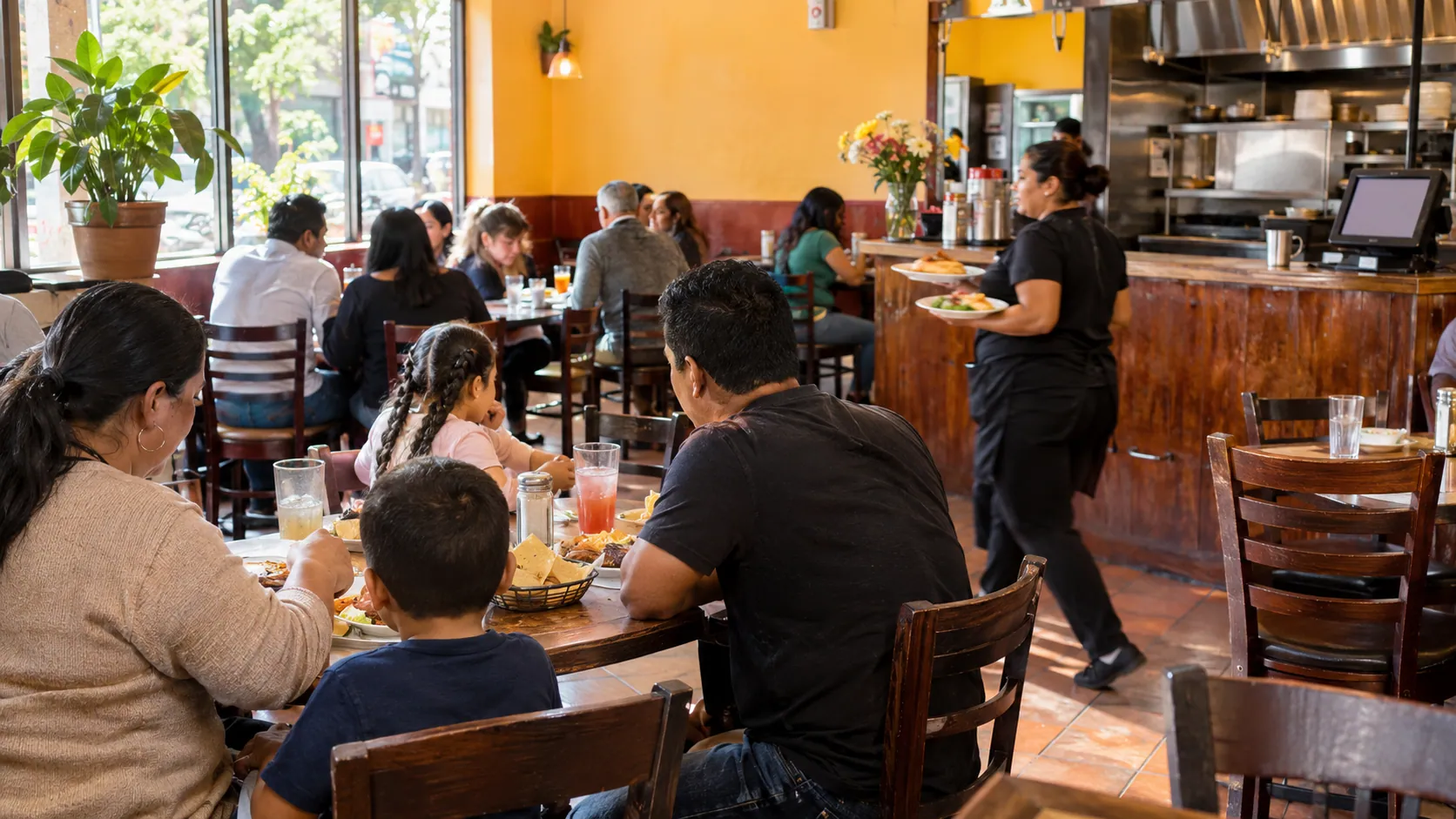
Maryland restaurants
Dine-in is exempt; carryout should keep cash
If you mainly serve dine-in, the new cash law exempts you. If most of your sales are carryout, the law isn't clear, so the safe plan is to keep taking cash. Card fees follow the card network rules either way.
- A $20.00 dinner in Wheaton with a 3% surcharge: $20.60 by credit card
- Dual pricing: the menu shows "$20.00 cash, $20.60 card"
- Cash discount: the menu shows $20.60, and cash pays $20.00
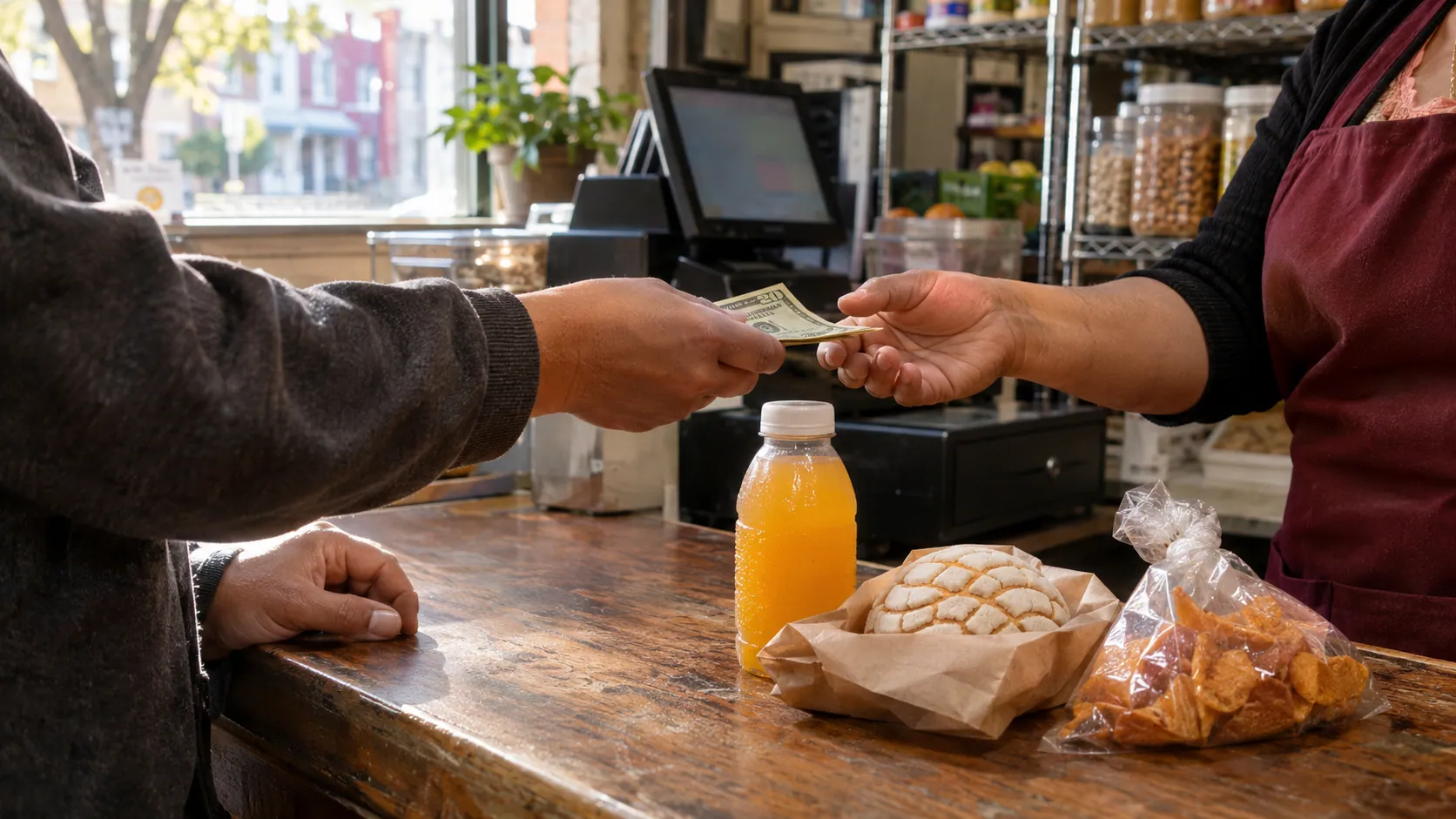
Maryland stores
Take cash for sales of $5 to $300
You must take cash for sales of $5 to $300 between 6 a.m. and 10 p.m. With thousands of items, one card price per tag and a cash discount at the register is simpler than two prices per tag.
- A $47.83 basket at 9 p.m.: $47.85 in cash if you round
- $47.83 by debit card, since debit can't be surcharged
- $49.26 by credit card with a 3% surcharge
Truvana Tech installs restaurant POS and retail POS systems in Maryland that show cash and card prices where the rules allow, and your rate comes in writing before you sign (pricing).
The retail POS fills in products from a barcode database of more than 500,000 items. Maryland EBT cards switched to chip and tap in 2026, so check that your card machine accepts them.
Maryland's 2026 cash laws
Maryland passed two cash laws in 2026. One requires most businesses to take cash for everyday sales from October 1, 2026; the other lets you round cash totals to the nearest 5 cents.
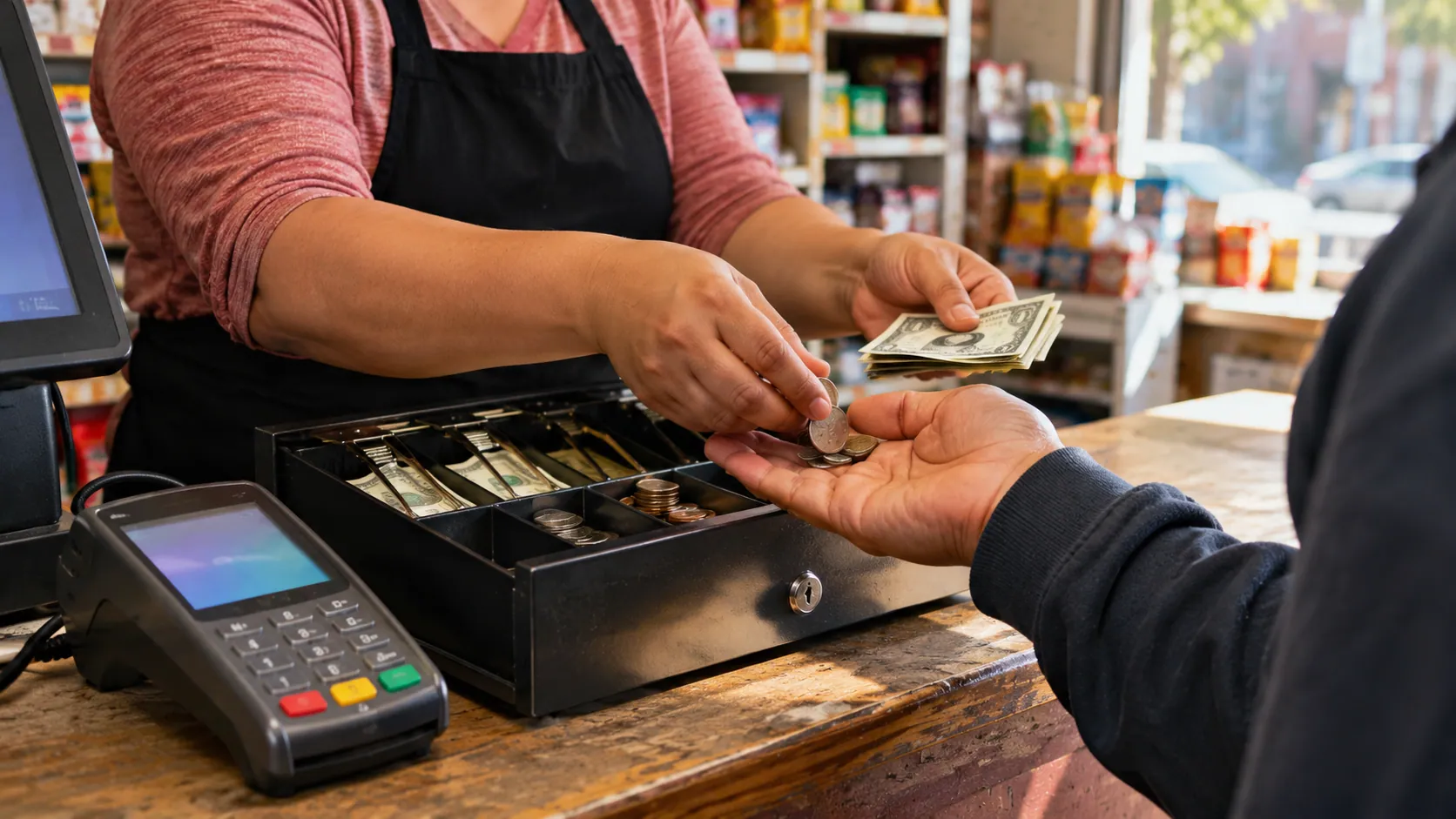
Accepting cash from October 1, 2026 (Chapter 714, HB 191)
It covers sales of $5 to $300 made between 6 a.m. and 10 p.m. Businesses that mainly sell food for dine-in are exempt.
The text doesn't clearly say whether a mostly carryout shop counts (Maryland 2026 Chapter 714).
Rounding cash totals (Chapter 515, HB 1026)
Since May 12, 2026, you may round a cash total to the nearest 5 cents, so $12.37 becomes $12.35 and $12.38 becomes $12.40 (Maryland 2026 Chapter 515). It's optional and covers cash totals only.
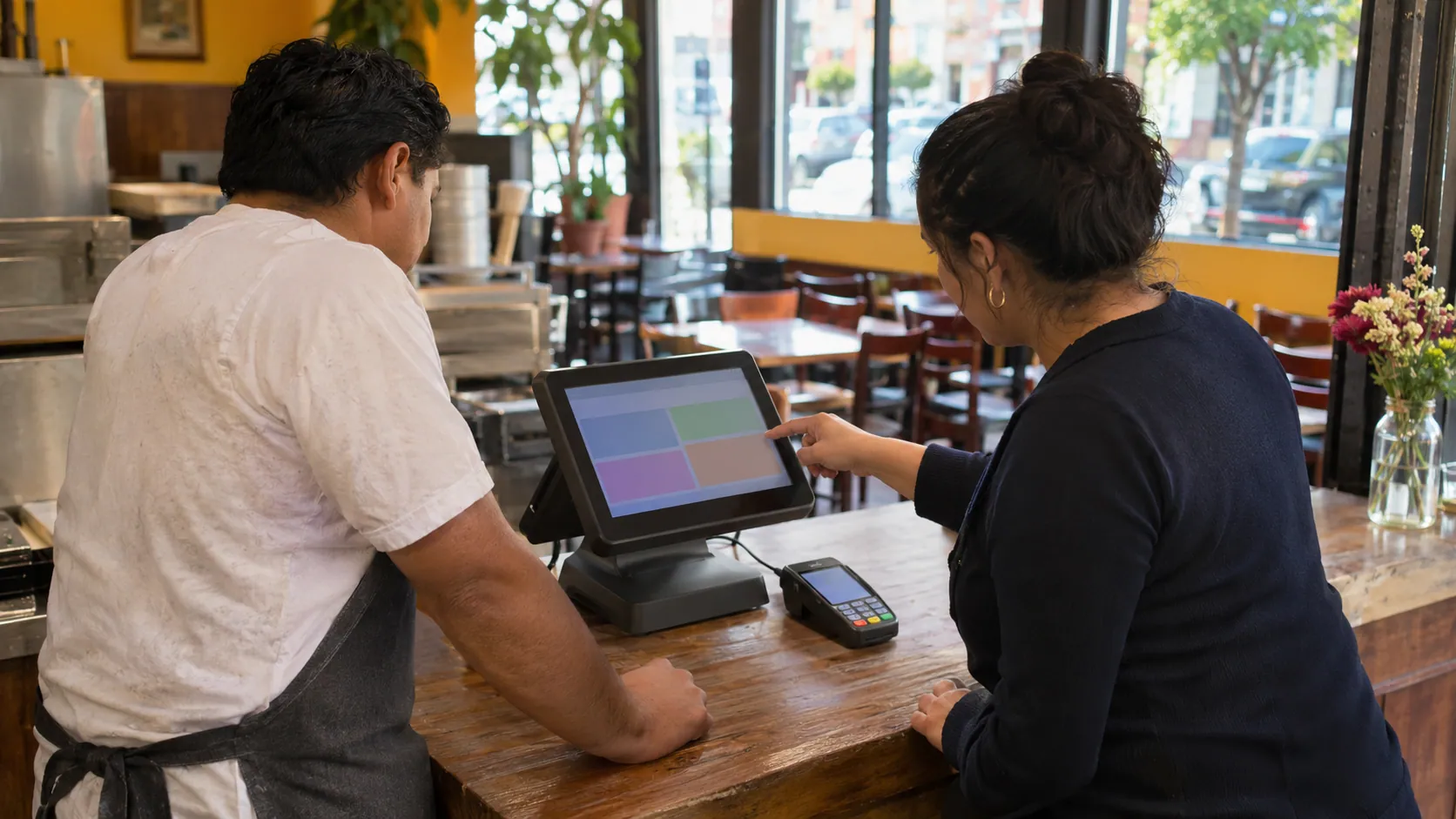
Set up cash and card prices that follow Maryland's rules
We explain Maryland's card and cash rules, set up cash and card prices the way they allow, and train your team in English or Spanish.
What to post and what to say in Maryland
Post your card rule where customers see it before they pay: the entrance, the register, the menu or shelf tags, and your ordering page. Then give your team one sentence to say.
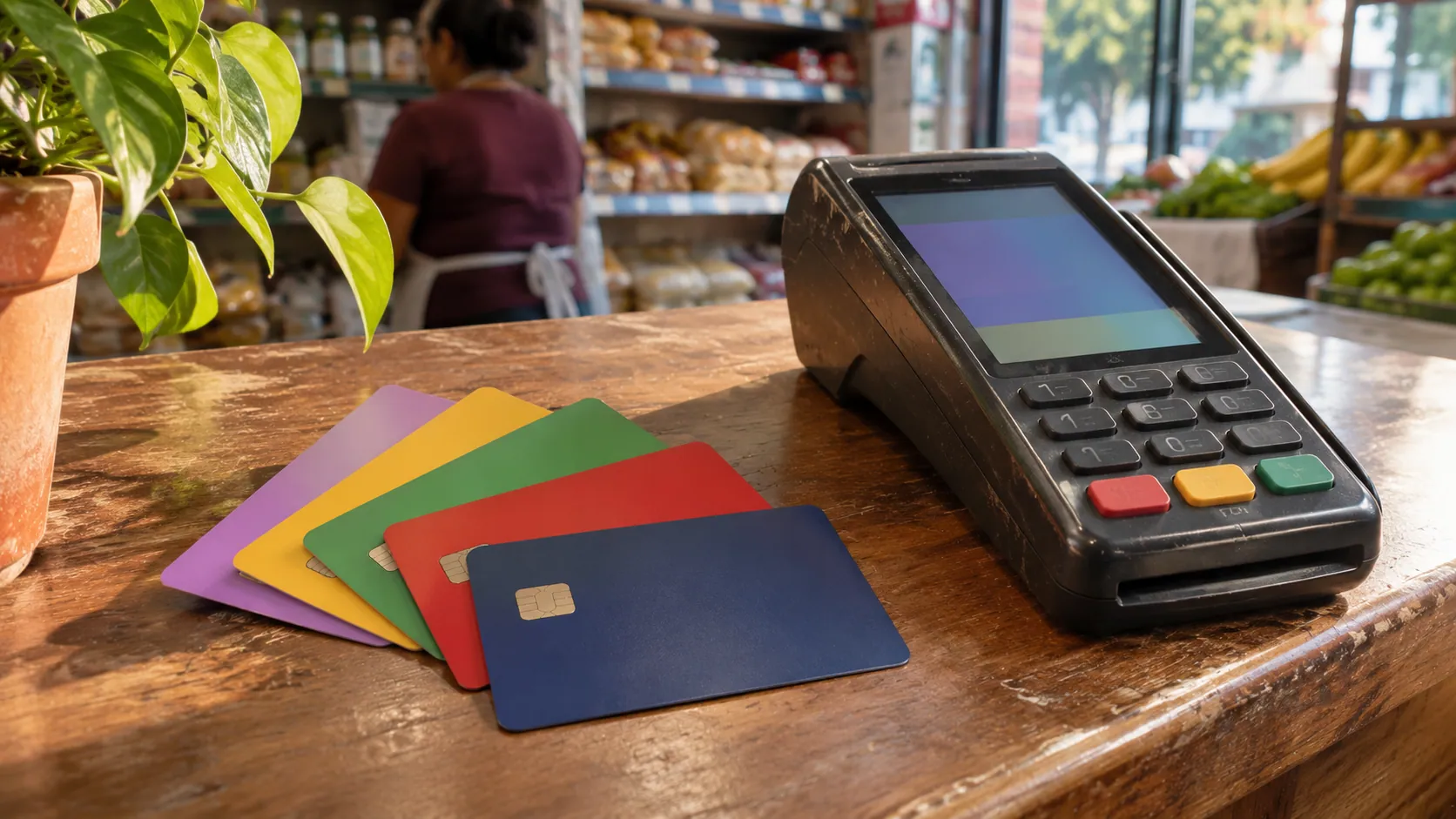
Surcharge notice
- ■"We add a 3% surcharge to credit card payments. No surcharge on debit cards."
- ■In Spanish: "Agregamos un recargo del 3% a los pagos con tarjeta de crédito. No hay recargo en tarjetas de débito."
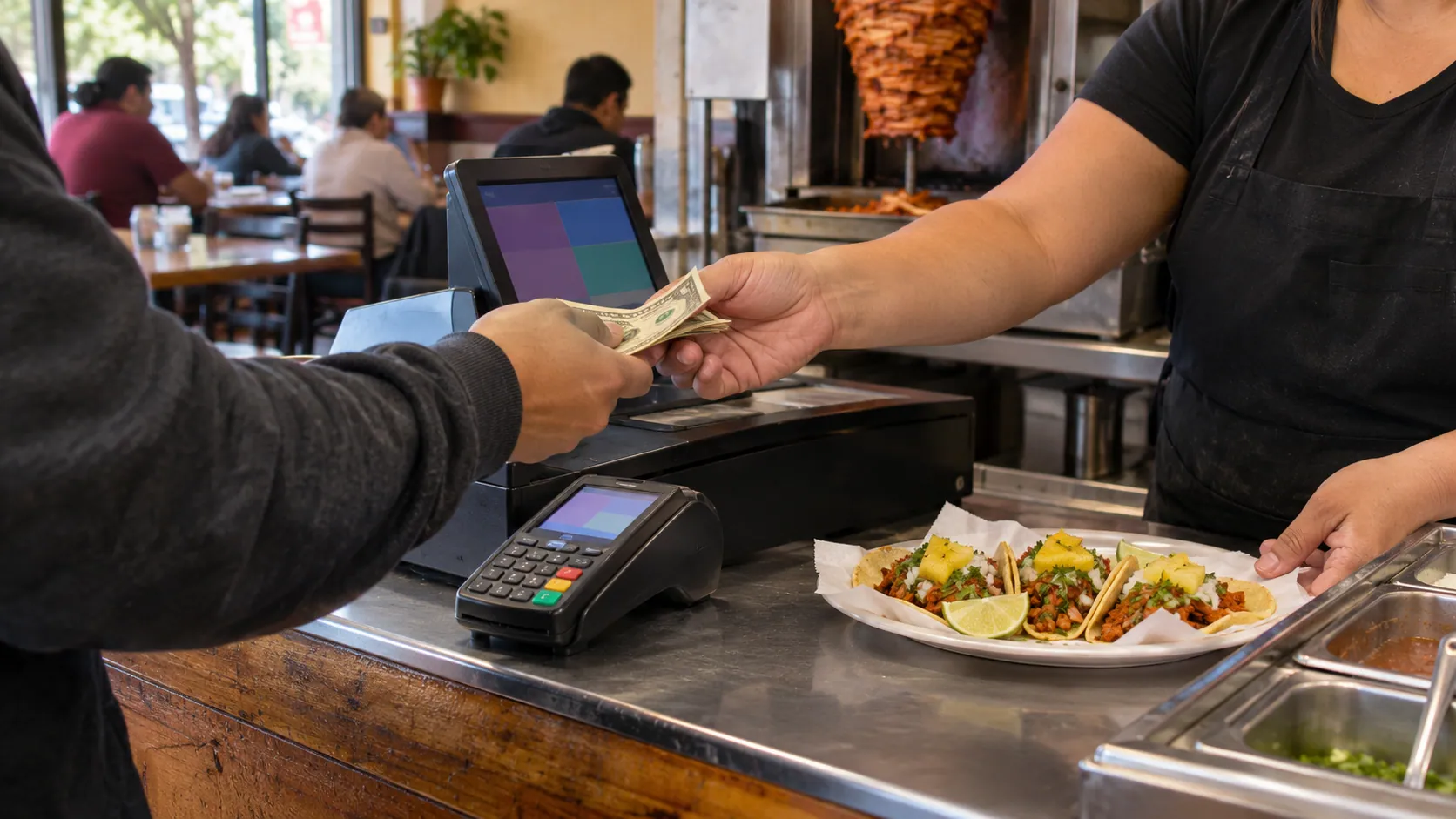
Cash discount notice
- ■"Our prices are card prices. Pay cash and get 3% off."
- ■In Spanish: "Los precios marcados son con tarjeta. Si paga en efectivo, le descontamos el 3%."
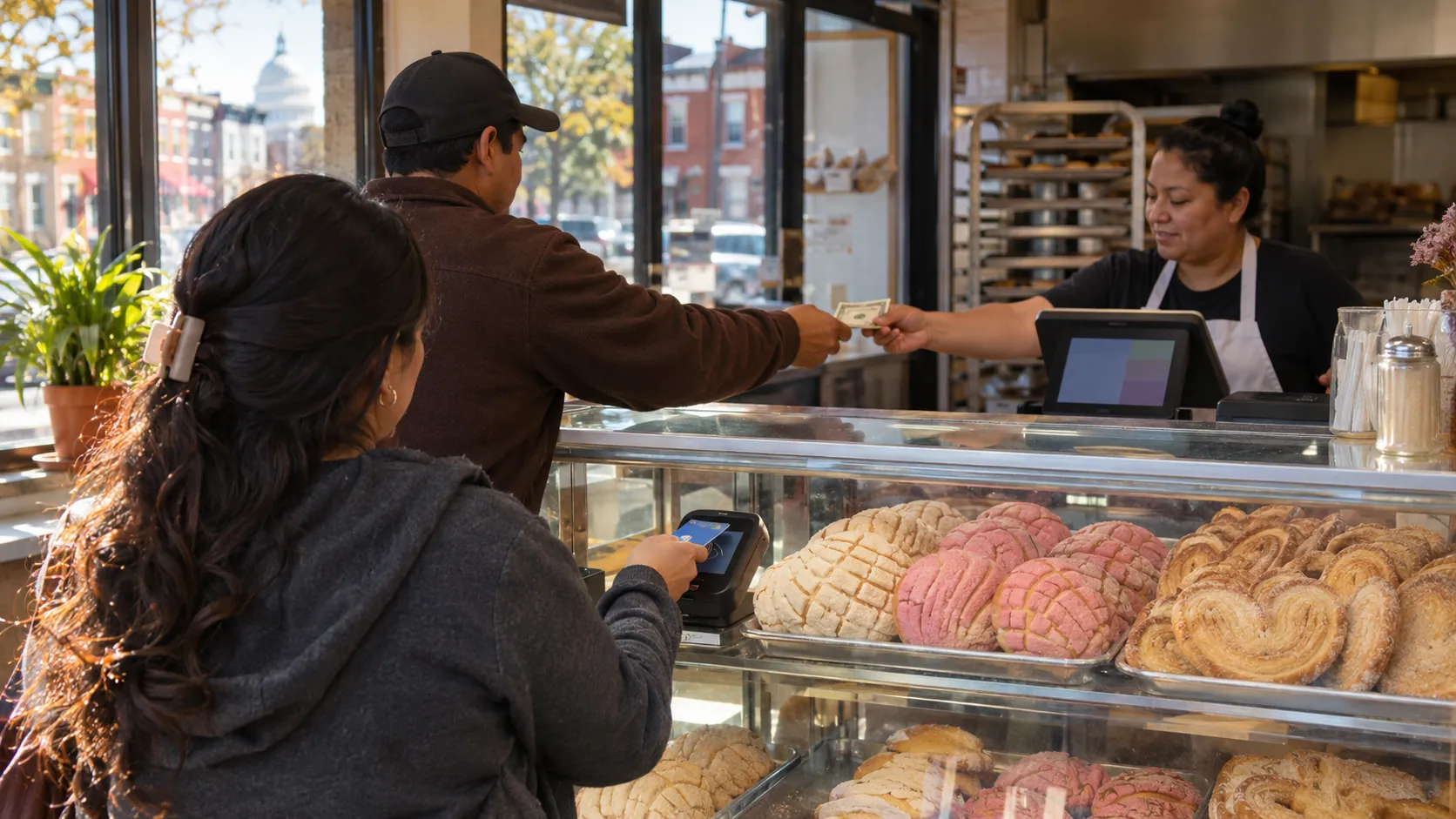
If you round
- ■"Cash totals are rounded to the nearest 5 cents."
- ■In Spanish: "Los totales en efectivo se redondean a los 5 centavos más cercanos."
At the register
- ■Take cash for sales of $5 to $300, 6 a.m. to 10 p.m.
- ■Nobody hears "card only" unless you're exempt
These are plain examples, not legal advice. More wording is in our cash discount guide.
Recent and pending changes in Maryland
Three dates matter for Maryland owners now: two state cash laws and one national hearing on the card network rules, all checked on November 10, 2026.
| Date | What changes |
|---|---|
| May 12, 2026 | Rounding cash totals to 5 cents is allowed (Chapter 515) |
| October 1, 2026 | Most businesses must accept cash for sales of $5 to $300 (Chapter 714) |
| November 16, 2026 | Final hearing on the Visa and Mastercard settlement; if the court approves it, the surcharge rules change in every state, Maryland included; see what may change |
This is general information, not legal advice. Sources checked November 10, 2026. Last updated November 10, 2026.
Credit card surcharge rules next door
Maryland card fee questions
Is it legal to charge a credit card fee in Maryland?
How much can a Maryland business charge for credit cards?
Up to 3% on Visa and 4% on Mastercard, and never more than your own cost of accepting the card (Visa; Mastercard). A surcharge no higher than 3% or your cost, whichever is lower, fits both.
Can I charge a fee on debit cards?
Not as a surcharge: Visa and Mastercard never allow one on debit or prepaid cards (Visa). With a cash discount, debit customers pay the posted card price, which Visa doesn't treat as a surcharge.
Do Maryland businesses have to accept cash?
From October 1, 2026, most do, for sales of $5 to $300 between 6 a.m. and 10 p.m. (Chapter 714). Businesses that mainly sell food for dine-in are exempt.
Can I round cash totals in Maryland?
Yes. Since May 12, 2026, you may round cash totals to the nearest 5 cents (Chapter 515). It's optional and covers cash totals only.
Is a cash discount the same as a surcharge?
No. A cash discount starts from a posted card price and takes money off for cash; a surcharge adds a fee at the register. Visa treats any fee added at checkout as a surcharge, whatever it's called (Visa).
Do DC and Virginia require businesses to accept cash?
DC has since January 1, 2025 (D.C. Code § 28-5402). We found no Virginia law that requires cash. See the DC and Virginia guides if you run places there too.
Get cash and card prices set up for Maryland's rules
Tell us how you price today. A person replies in English or Spanish.
Tell us about your business
Your name and email are enough to start. Write in English or Spanish.