VIRGINIA
Virginia credit card surcharge law: what the 2025 all-in price rule means for you
Virginia law doesn't ban credit card surcharges, but since July 1, 2025, advertised prices must include every mandatory fee. Posting a card price, or card and cash prices, before the sale is the safer way to pass on card costs.
- Updated November 10, 2026
- Sources linked
- General information, not legal advice
Is a credit card surcharge legal in Virginia?
It's allowed, but risky in its usual form. No Virginia law bans credit card surcharges, but since July 1, 2025, advertised prices must include every mandatory fee (Va. Code § 59.1-608).
Truvana Tech, which wrote this guide, helps small restaurants and stores in Northern Virginia, DC and Maryland pass card fees on the way Virginia's rules allow, in English or Spanish.
| What § 59.1-608 requires | What it says | Source |
|---|---|---|
| All-in prices | The advertised price must be the total price, including every mandatory fee or surcharge, meaning one the customer must pay to buy the item | Va. Code §§ 59.1-607 and 59.1-608 |
| Automatic gratuity | A restaurant that adds one must state its percentage | Va. Code § 59.1-608 |
| Penalties | Up to $2,500 per violation and $5,000 for repeats, and customers can sue | Va. Code § 59.1-608 |
Why a fee at checkout is risky
A menu says $20.00 and the register adds 3% for credit cards, so the card customer pays $20.60. If that fee counts as mandatory, every price on the menu could break the rule.
The open question
The law doesn't say whether a card fee customers can avoid by paying cash counts as mandatory. Some lawyers read it as making a checkout card fee impractical (Stinson, 2025).
How two other states answered
Under their own laws, Minnesota and California say a card fee customers can avoid need not be in the advertised price, though California says a card-only business must include it. We found no Virginia answer yet.
Card network rules apply too
Up to 3% on Visa, at least 30 days' notice to your processor, notices at the entrance and the register, and no surcharge on debit or prepaid cards (Visa).
Virginia credit card surcharges at restaurants and stores
In Virginia, the safer way to pass on card costs is to show the card price before the sale. A fee that first appears at the register is the risky one.
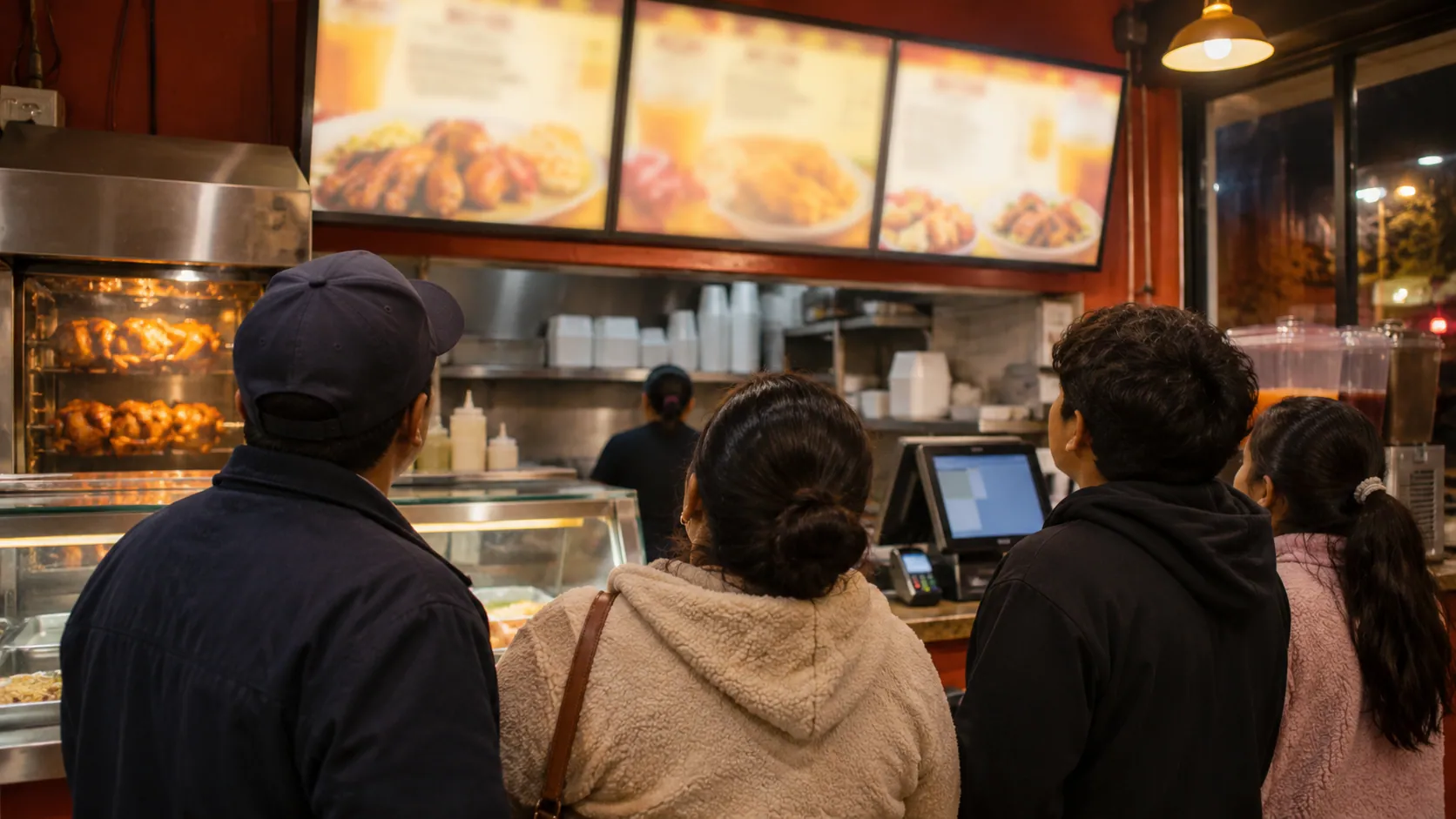
Virginia restaurants
Put the full price on the menu
A fee every customer must pay, like a fixed service fee, is mandatory, so it belongs in the menu price. For card costs, the three setups below all charge $20.60 by credit card and $20.00 in cash; what changes is the price the menu advertises.
- Menu $20.00, and 3% added at the register: higher risk, in our read
- Menu "$20.00 cash, $20.60 card": lower risk
- Menu $20.60, with $0.60 off for cash: lower risk
- An automatic gratuity: state its percentage
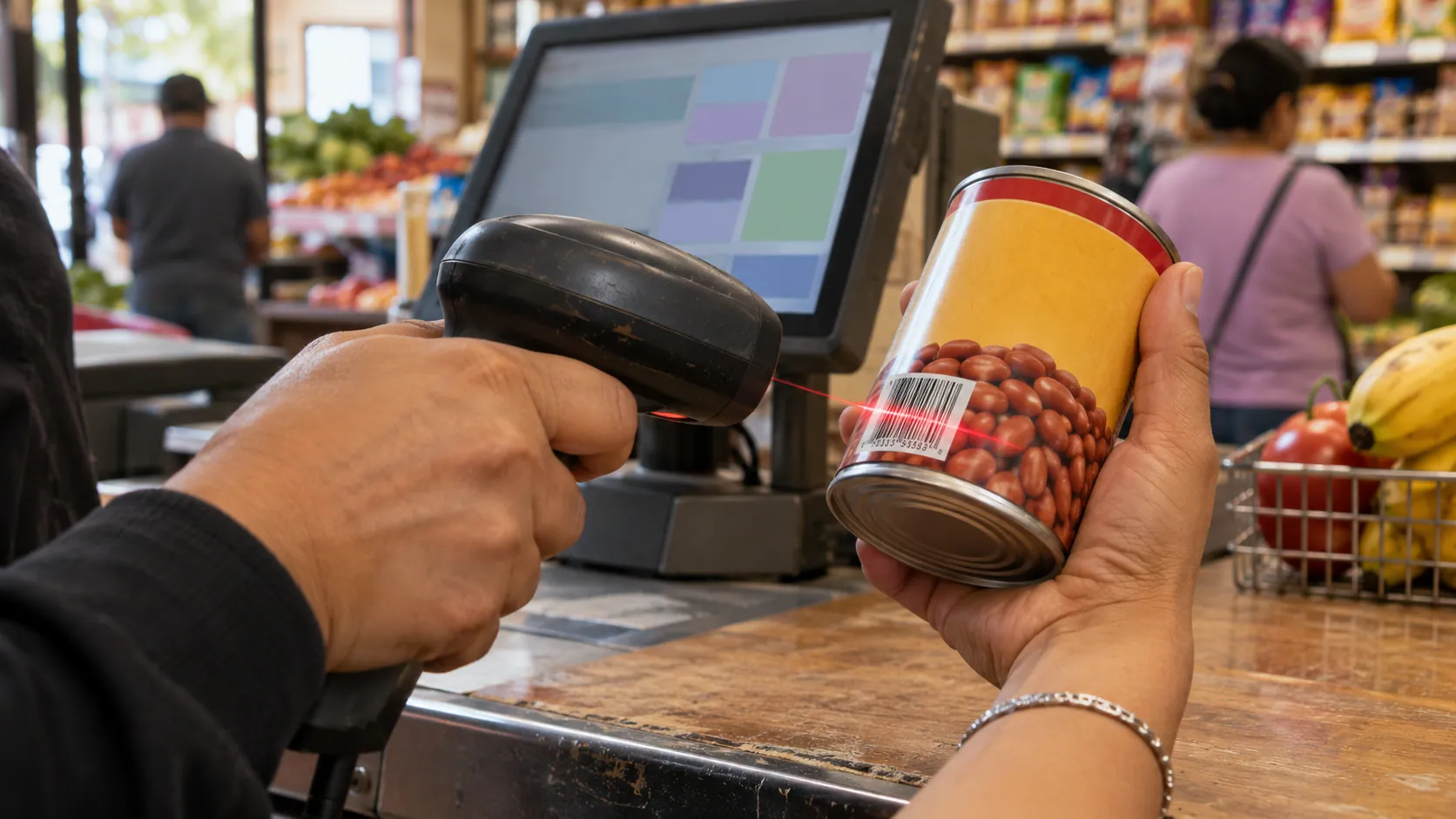
Virginia stores
One card price on every tag
In a store, the shelf tag is the advertised price, so a card fee added at the register raises the same question. The simplest lower-risk setup is one card price on every tag and a discount for cash at the register.
- Cash discount: the tag says $10.30, and cash pays $10.00
- Dual pricing: "$10.00 cash, $10.30 card" on every tag
- Debit pays the card price; under a surcharge, it would pay $10.00
The risk levels above are our read of Va. Code § 59.1-608.
Truvana Tech installs restaurant POS and retail POS systems in Northern Virginia that show cash and card prices where the rules allow, and your rate comes in writing before you sign (pricing).
Do Virginia businesses have to accept cash?
Not under any state law we found, as of November 10, 2026. Virginia's 2026 cash law, HB 954, only lets you round cash totals to the nearest 5 cents from July 1, 2026 (Hunton, 2026).
DC and Maryland require cash
DC has required it since January 1, 2025 (D.C. Code § 28-5402). Maryland does from October 1, 2026, for most sales of $5 to $300 (Maryland Chapter 714).
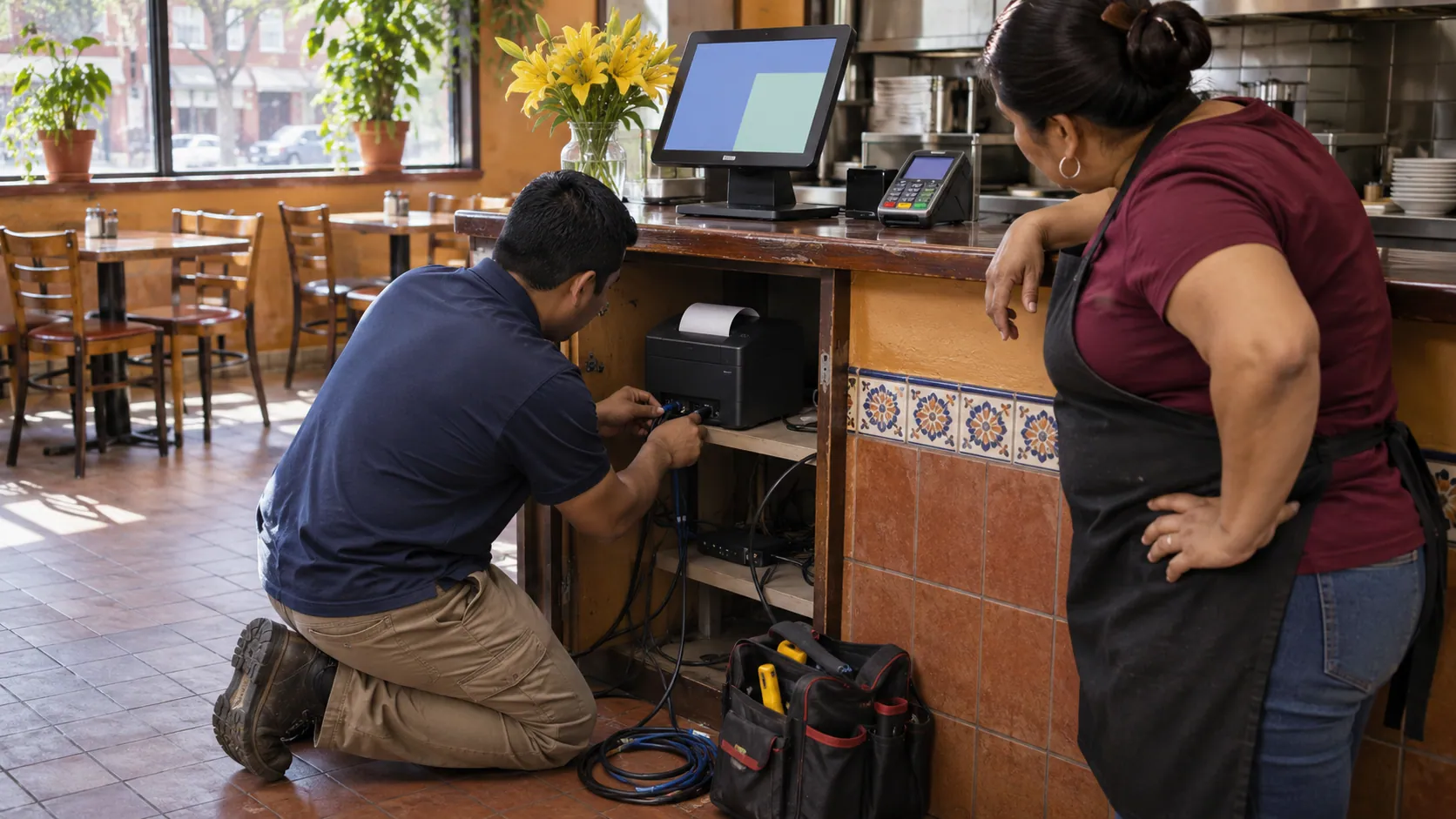
Set up cash and card prices that follow Virginia's rules
We explain Virginia's price rule, set up a cash discount or dual pricing that shows the card price up front, and train your team in English or Spanish.
What to post and what to say in Virginia
Make the advertised price the full price, then explain the cash price. Post card prices, or both prices, on menus, kiosks, shelf tags and your ordering page, plus a notice at the entrance and register.
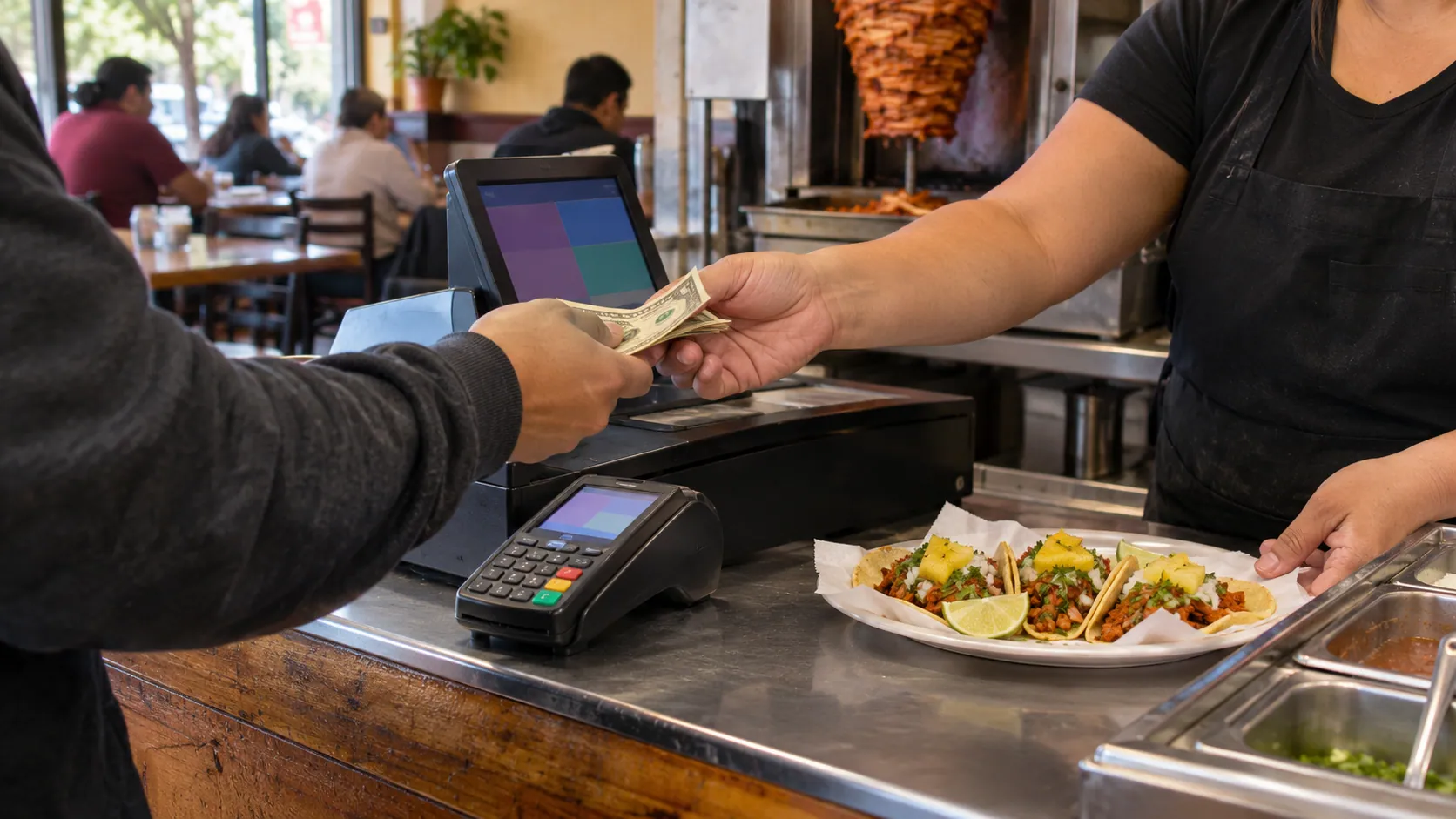
Cash discount notice
- ■"Our prices are card prices. Pay cash and get 3% off."
- ■In Spanish: "Los precios marcados son con tarjeta. Si paga en efectivo, le descontamos el 3%."
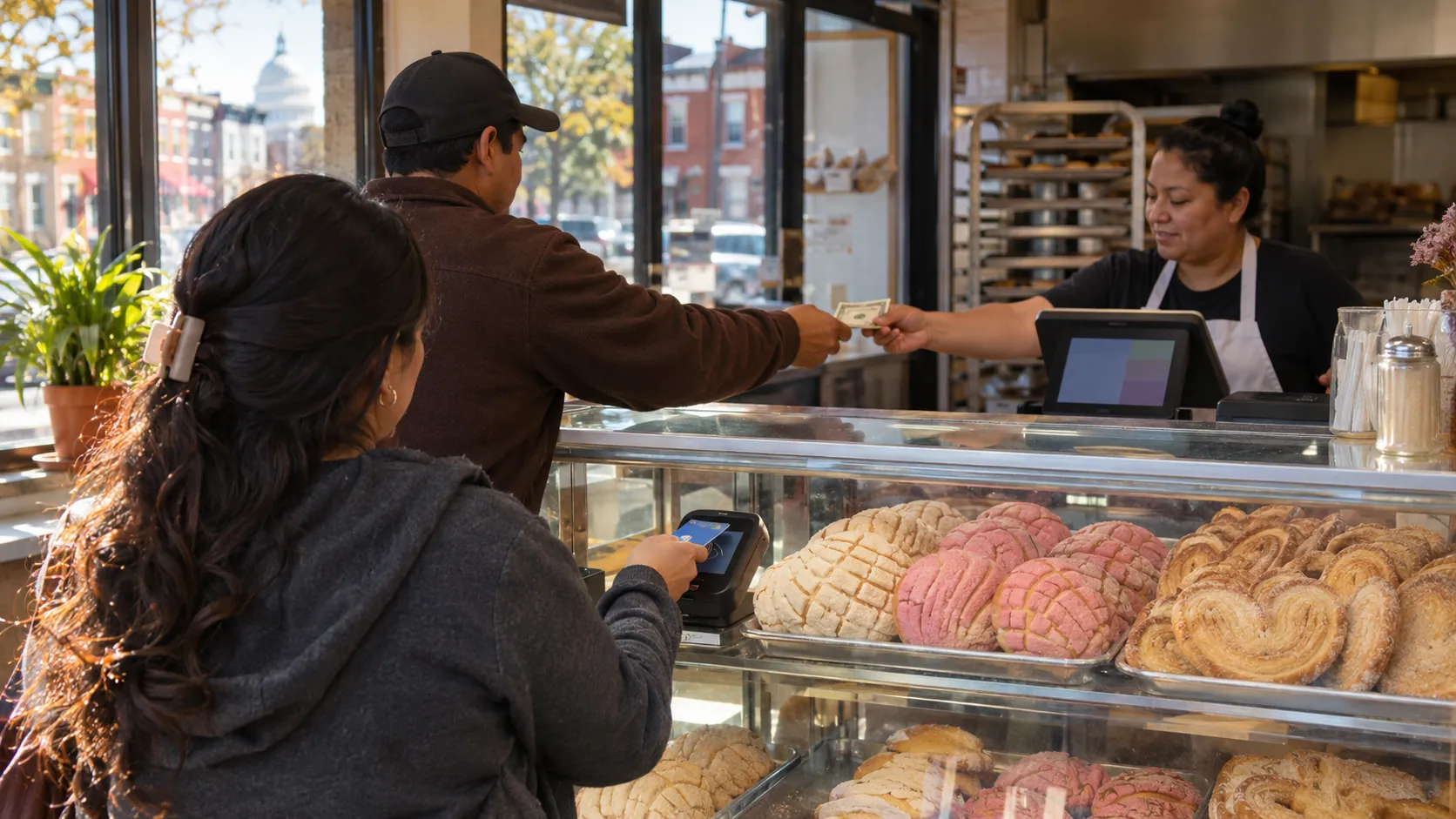
Dual pricing line
- ■"We show two prices: cash and card. Debit and credit cards pay the card price."
- ■In Spanish: "Mostramos dos precios: en efectivo y con tarjeta. Las tarjetas de débito y crédito pagan el precio con tarjeta."

Automatic gratuity
- ■"An 18% gratuity is added for parties of 6 or more."
- ■In Spanish: "Se agrega una propina del 18% a grupos de 6 personas o más."
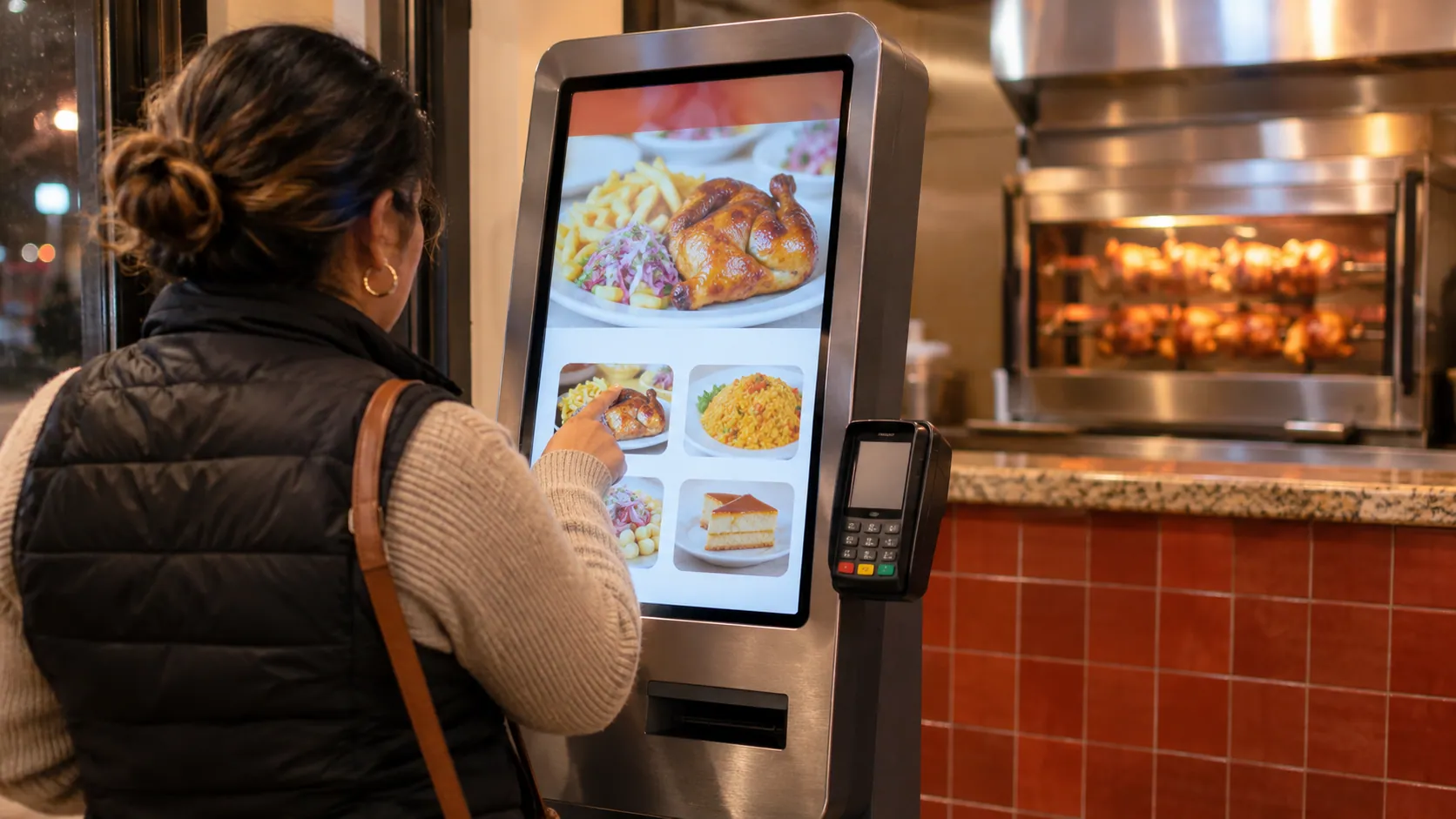
What your team says
- ■"The menu shows card prices; cash pays less."
- ■In Spanish: "Los precios del menú son con tarjeta; si paga en efectivo, paga menos."
These are plain examples, not legal advice. More wording is in our cash discount guide.
Recent and pending changes in Virginia
Virginia's card fee picture changed in 2025 and could change again. These are the dates to know, checked on November 10, 2026.
| Date | What changes |
|---|---|
| July 1, 2025 | Advertised prices must include every mandatory fee (Va. Code § 59.1-608) |
| July 1, 2026 | Cash totals may be rounded to 5 cents (Hunton, 2026) |
| November 16, 2026 | Final hearing on the Visa and Mastercard settlement, which could change the surcharge caps; see what may change |
| Open | Whether a card fee customers can avoid counts as "mandatory" under § 59.1-608, which decides how risky a checkout fee is |
This is general information, not legal advice. Sources checked November 10, 2026. Last updated November 10, 2026.
Credit card surcharge rules next door
Virginia card fee questions
Is it legal to charge a 3% credit card fee in Virginia?
No Virginia law bans it, and Visa allows up to 3%, or your cost if lower (Visa). But since July 1, 2025, advertised prices must include every mandatory fee (Va. Code § 59.1-608), so a fee added only at checkout is risky.
Can I pass credit card fees on to customers in Virginia?
Yes. The safer ways post the card price before the sale: a cash discount, where card prices are posted and cash pays less, or dual pricing, where both prices are posted. Both fit the all-in price rule better than a checkout fee (Va. Code § 59.1-608).
Is it legal to charge a debit card fee?
Not as a surcharge, in Virginia or anywhere: Visa and Mastercard never allow one on debit or prepaid cards (Visa; Mastercard). With a cash discount or dual pricing, debit customers pay the posted card price, which Visa doesn't treat as a surcharge.
Do Virginia restaurants have to disclose automatic gratuities?
Yes. Since July 1, 2025, a restaurant that adds an automatic gratuity must state its percentage (Va. Code § 59.1-608). A menu line like "18% gratuity added for parties of 6 or more" is one way to state it.
What states is it illegal to charge a credit card fee?
As of November 10, 2026, Connecticut, Maine and Massachusetts ban credit card surcharges. California and Texas have bans that 2018 court rulings only partly limit, and Colorado and Oklahoma cap them at 2%. See every state in our table.
Get cash and card prices set up for Virginia's rules
Tell us how you price today. A person replies in English or Spanish.
Tell us about your business
Your name and email are enough to start. Write in English or Spanish.