CHARGEBACK GUIDE
How to fight a chargeback and keep the next one away
A customer disputed a card sale and the money left your account. Here is when to refund, what evidence answers the dispute and how to stop the next one. Truvana Tech helps restaurants and stores through it.
- Visa guide, October 2026
- English or Spanish
- No contract
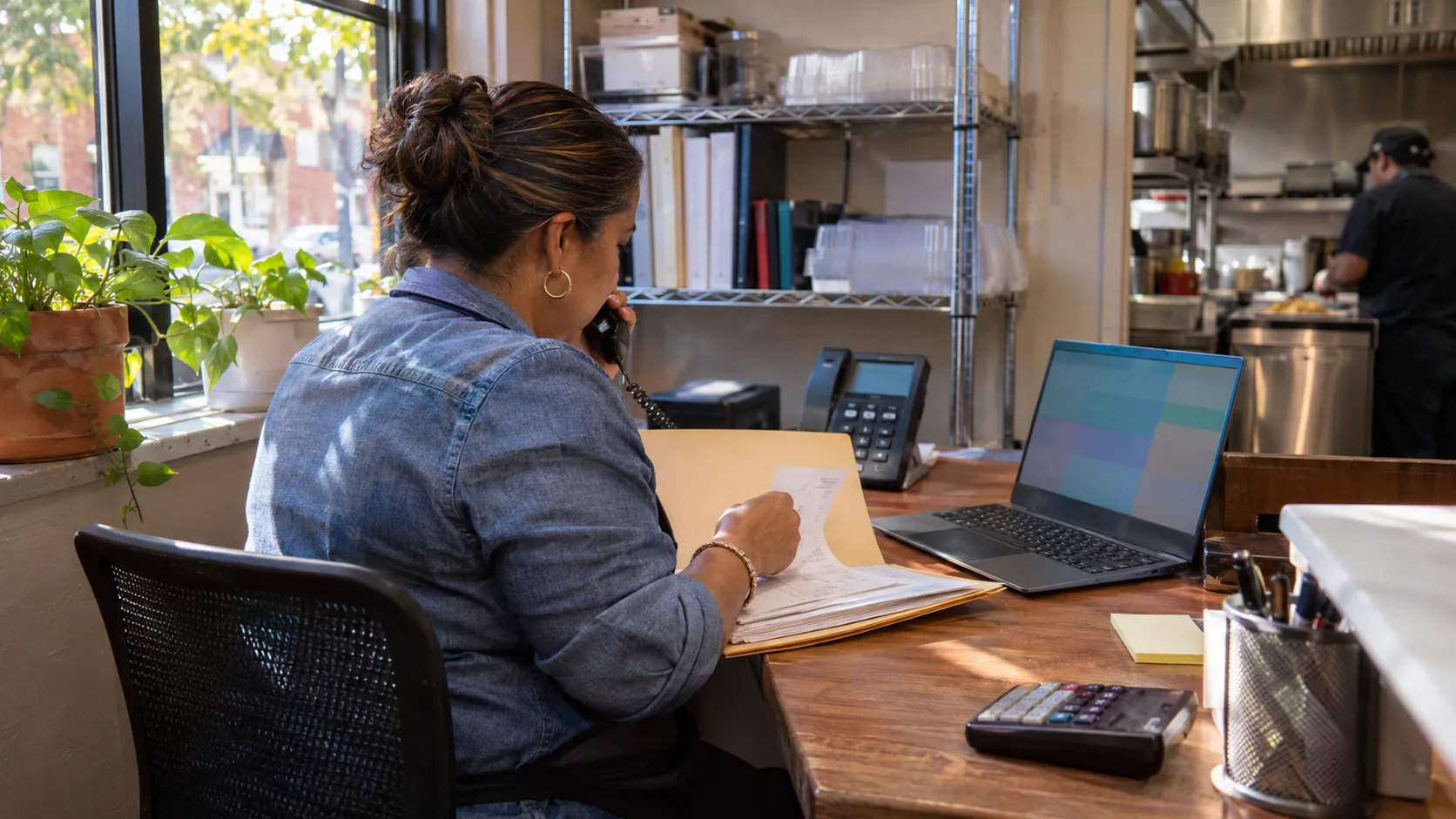
How to fight a chargeback in 4 steps
The same steps work for a restaurant, a food truck or a store.
- 01
Read the dispute notice
Note the amount, the stage (inquiry or chargeback), the reason and the date. Ask your processor for the deadline to respond.
- 02
Refund or respond
If the customer is right, a full refund during the inquiry stage ends it before it becomes a chargeback. If the sale was good, respond.
- 03
Answer the reason with evidence
Send what proves that reason: the signed receipt with the tip, the itemized receipt, or the pickup or delivery record.
- 04
Send it before the deadline
Submit through your processor or store portal and keep a copy. A late or off-topic answer usually loses.
What is a chargeback?
A chargeback is when a cardholder asks their bank to reverse a card payment. The bank takes the money back from your account while the dispute runs.
Inquiry, then chargeback
Many disputes start as an inquiry. On the restaurant POS we install, a full refund at the inquiry stage stops the chargeback and its dispute fee.
The dispute fee
The bank charges a dispute fee on top of the disputed amount, and it usually keeps the fee even when you win.
Why restaurants lose chargebacks
Most losses come from missing or mismatched proof, not from the customer being right.
- No signed receipt for a tip the guest disputes
- A chip card swiped or typed in instead of dipped or tapped
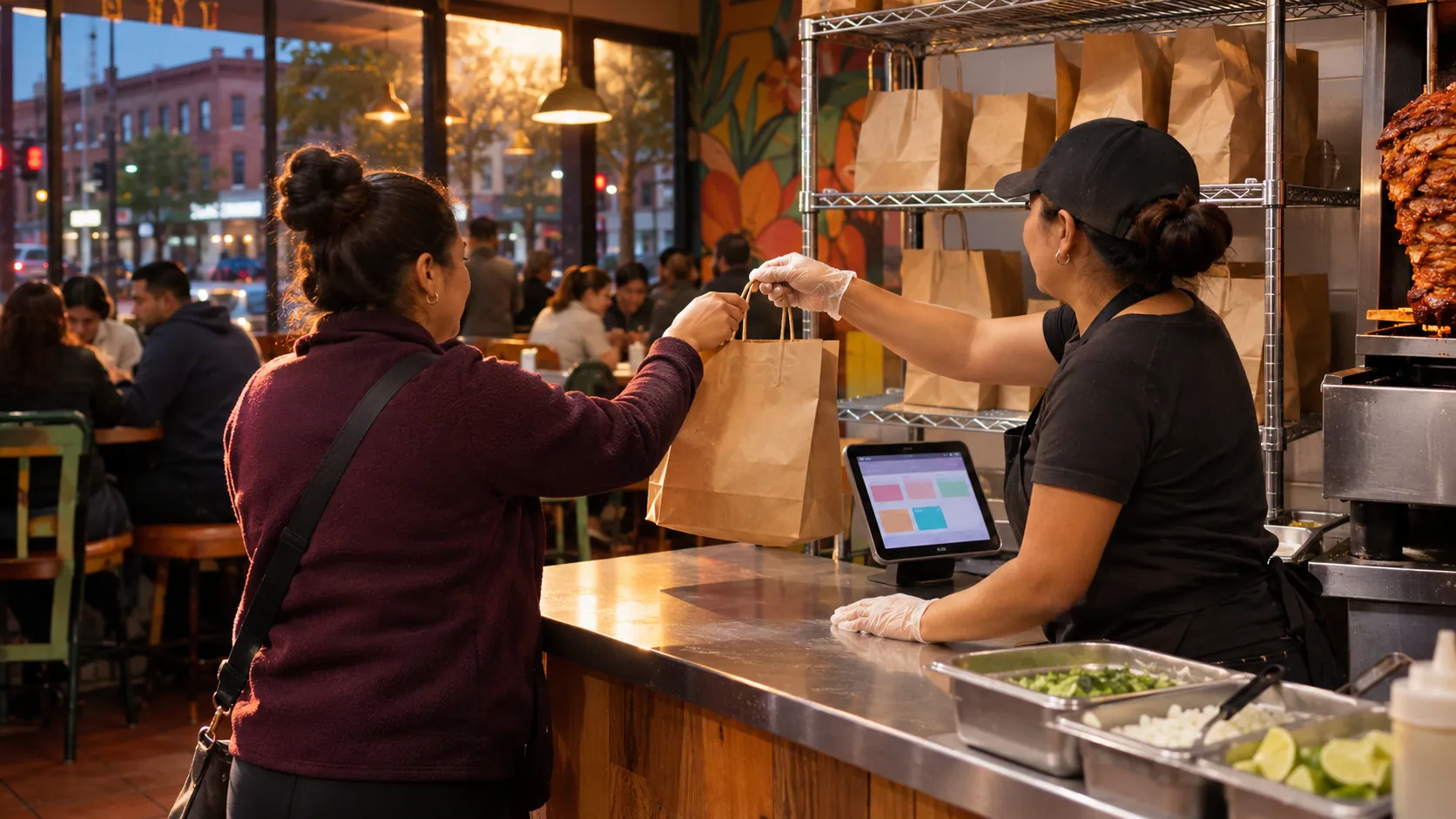
- No record that an online order was picked up
- Evidence that doesn't answer the reason on the notice
- A reply sent after the deadline
Source: Visa, Dispute Management Guide for Merchants, October 2026.
Evidence that answers a restaurant chargeback
Match the proof to the reason on the notice. These are the records restaurants use most.
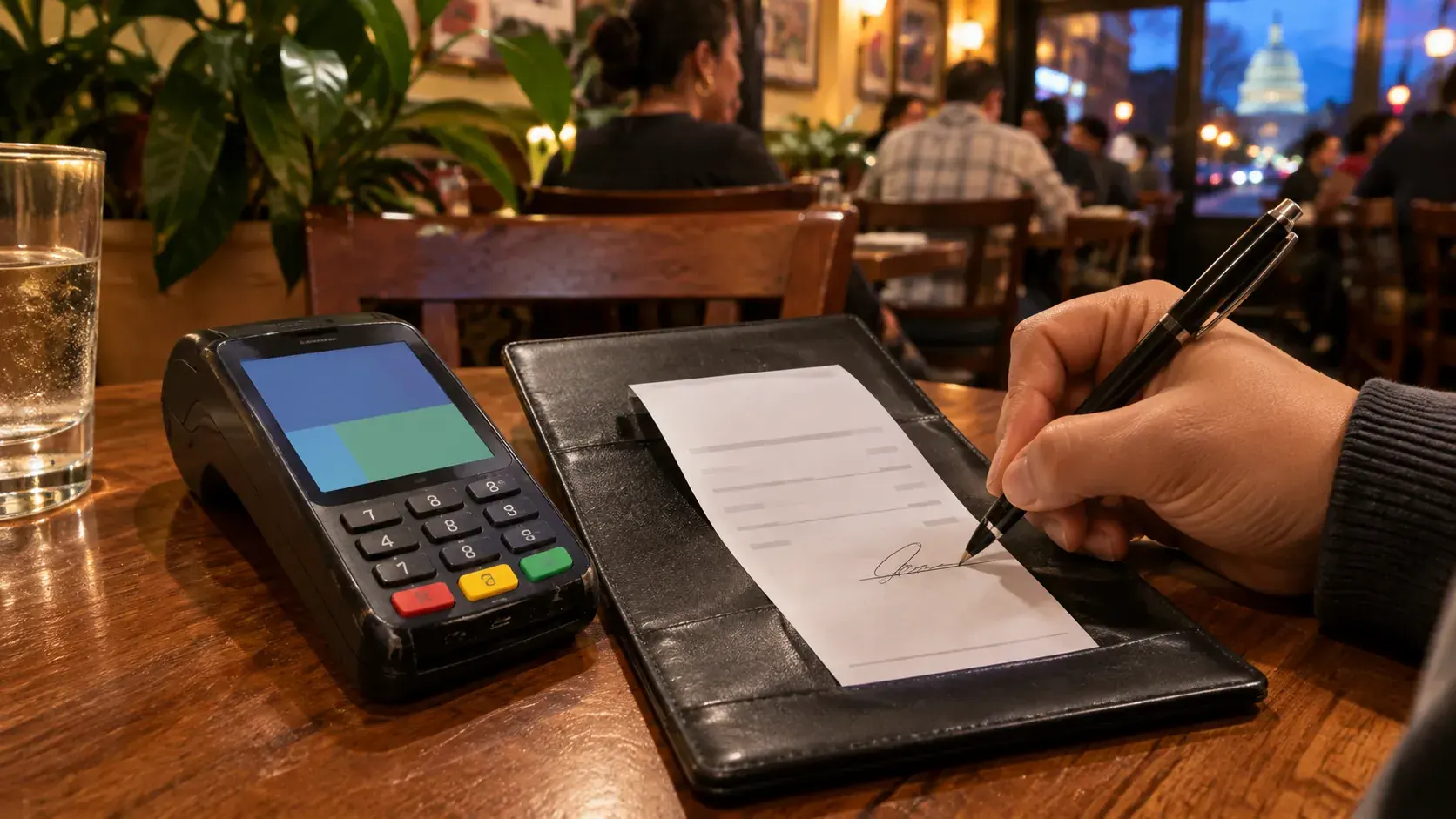
The signed tip receipt
- ■Shows the tip the guest wrote
- ■Answers an "incorrect amount" dispute
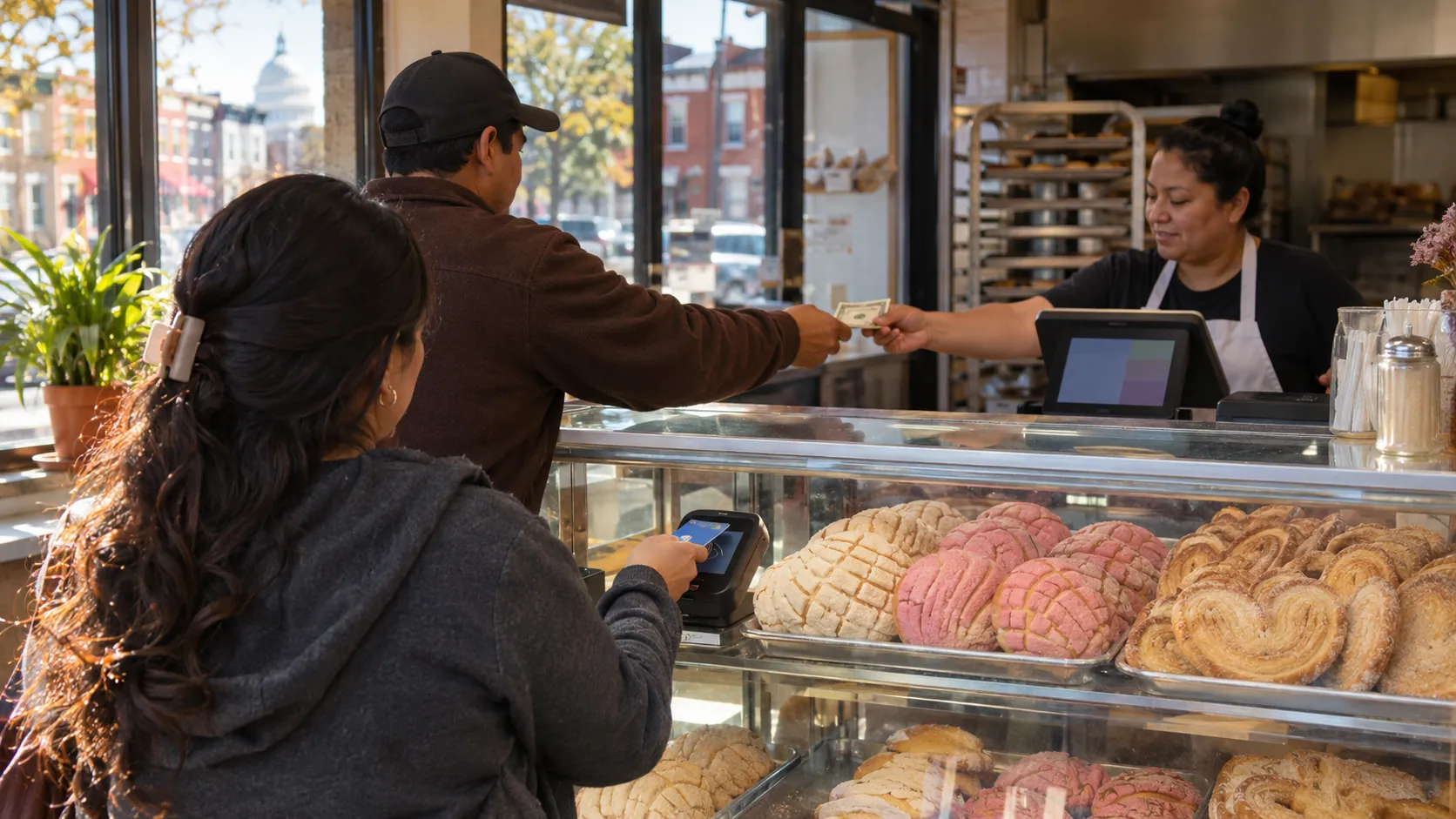
Can a customer dispute a tip?
Yes. Visa lists tips added incorrectly under "incorrect amount" disputes. The signed receipt that shows the tip the guest wrote is your best answer (Visa).
Catch tip mistakes before they post
On the restaurant POS we install, a tip over both your store's amount limit and its percentage limit asks for a manager's PIN before it goes through. See tableside ordering.
Keep the signature step
Letting guests skip the signature speeds checkout, but the signed slip is proof in a dispute.
How to prevent chargebacks at your restaurant
Most disputes start with a charge the guest doesn't recognize or a mistake at checkout.
- Dip or tap chip cards. Don't swipe or type a chip card in.
- Print or text an itemized receipt. Guests recognize what they bought.
- Check online pickups. Ask for the last four digits of the card.
- Fix mistakes with a refund. Refund before the guest calls the bank.
- Secure online payments. Ask us about 3D Secure or wallet-only checkout.
- Answer every inquiry. Silence turns an inquiry into a chargeback.
Owners also ask about tip rules by state and card fees.
How Truvana Tech helps when a customer disputes a charge
Truvana Tech sets up card processing and POS systems for restaurants and stores, on site in DC, Maryland and Northern Virginia, with support in English or Spanish.
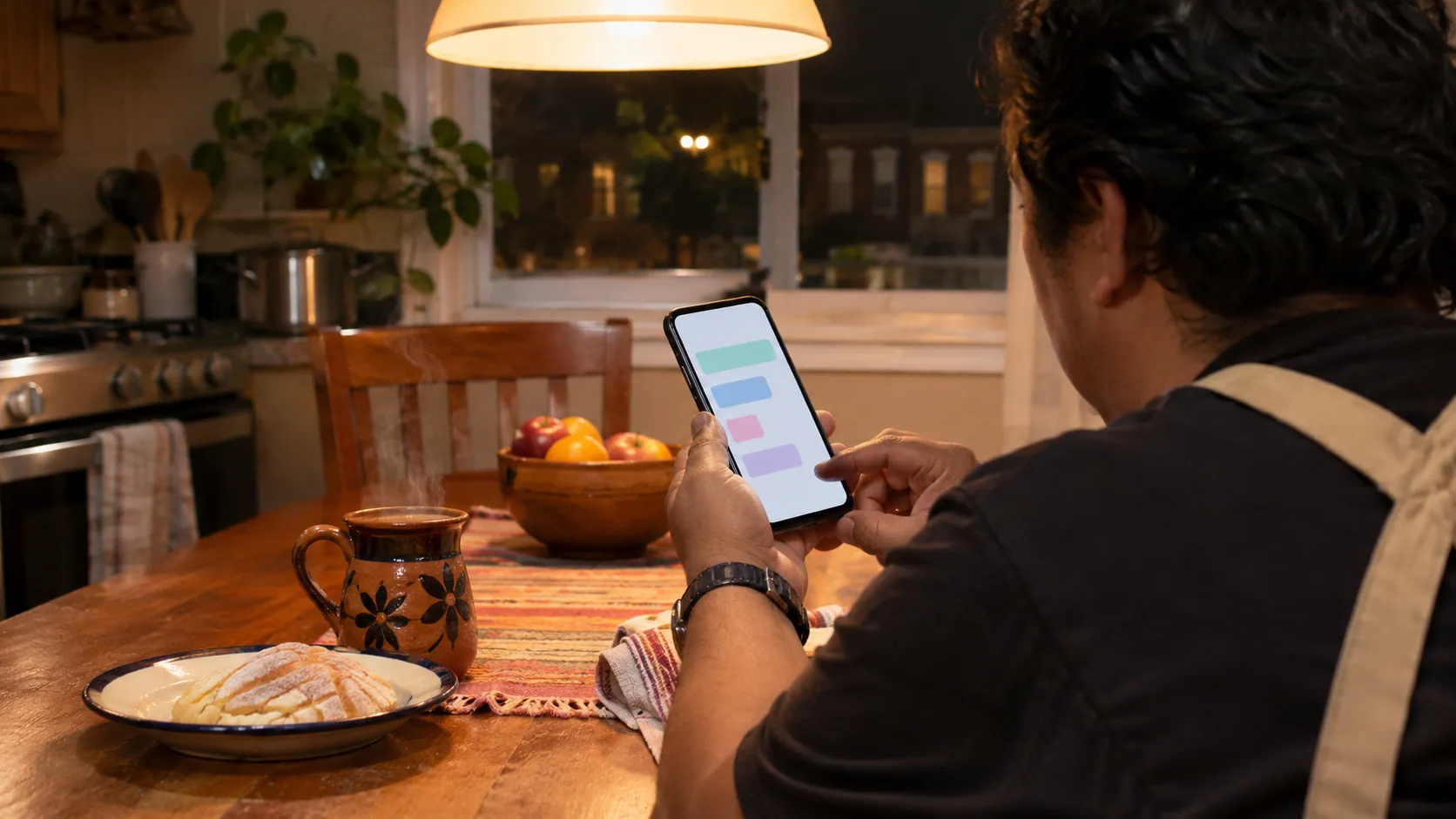
In one place
Every dispute in your store portal
On the restaurant POS we install, each dispute shows its amount, stage, status, reason and date, and you get an email when one opens.
- Transaction data and e-receipts ready
- Add your own evidence
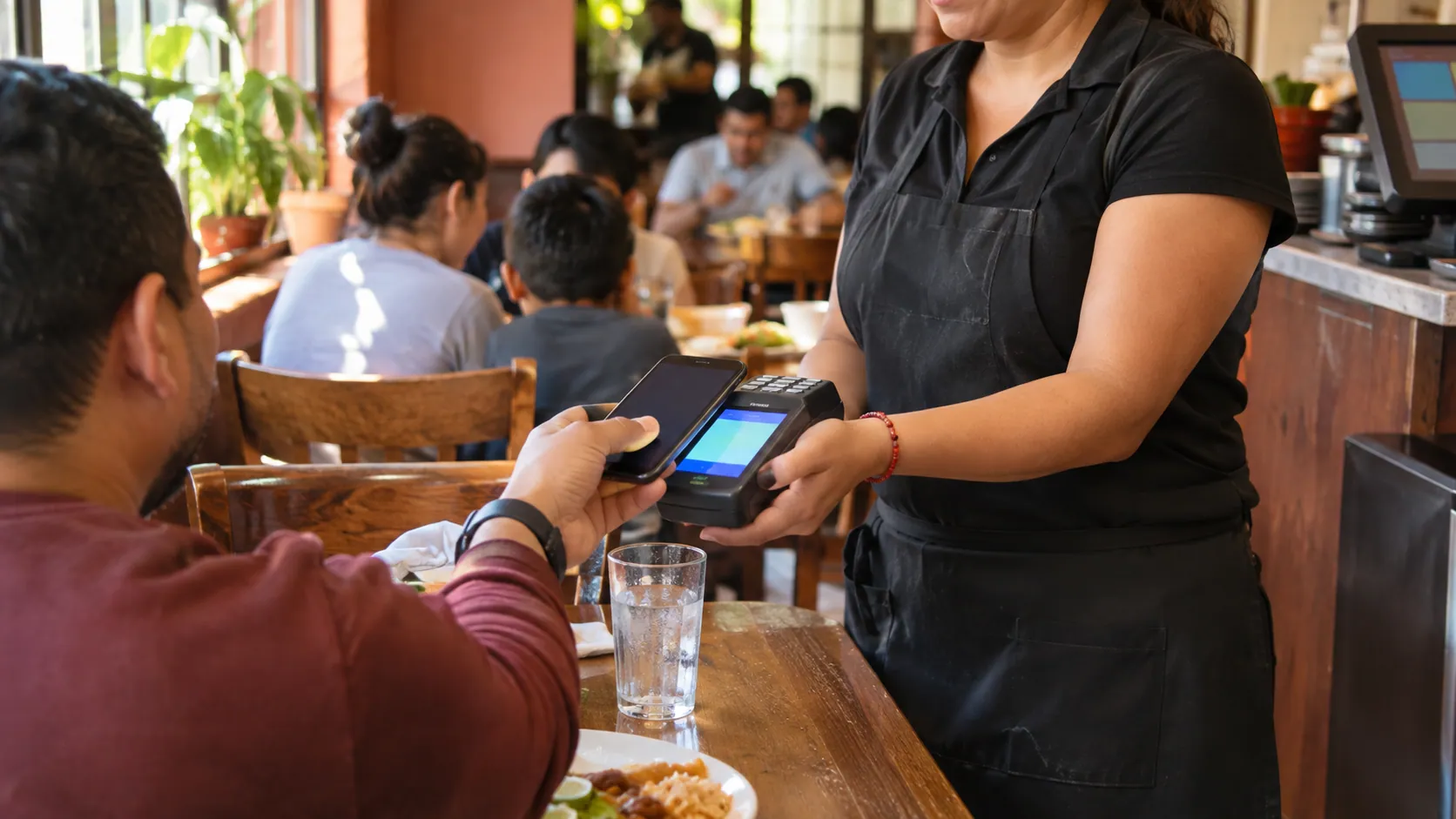
Before it starts
Fewer tip and checkout mistakes
Tip limits that ask for a manager's PIN on unusually large tips, a signature step you control and itemized e-receipts by text or email cut the disputes that start at checkout.
- Over-limit tip check
- E-receipts stored for you
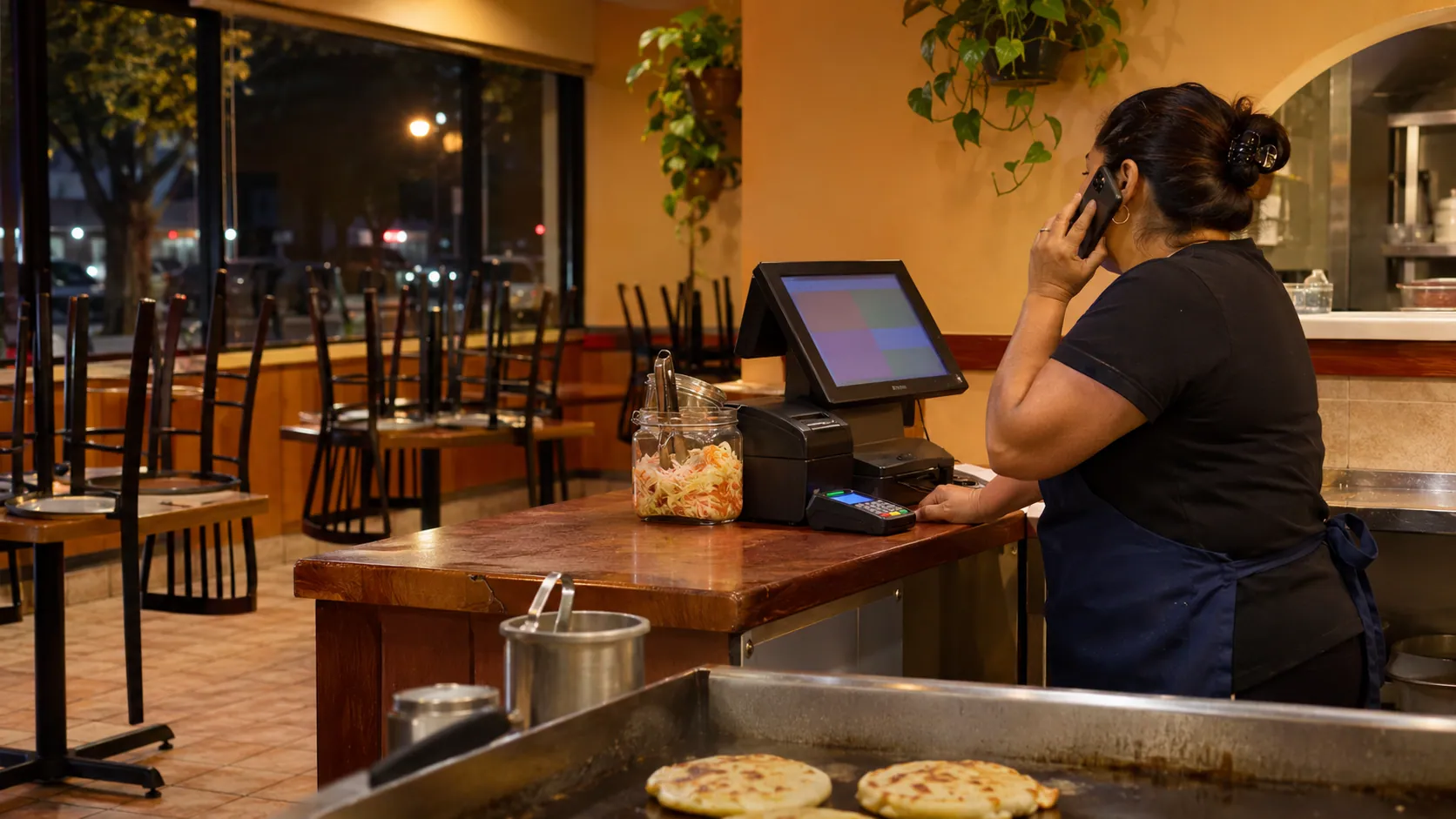
A person who answers
Help in English or Spanish, 24/7
Support comes from our own local team, 24/7. Call when a dispute notice arrives and we'll go through it with you.
- Our own local team
- No contract
Chargeback questions owners ask
What is a chargeback?
A chargeback is when a cardholder asks their bank to reverse a card payment. The bank takes the disputed amount back from your account while the dispute runs, usually with a dispute fee, and you can respond with evidence.
What is the difference between a chargeback and a refund?
You give a refund yourself, and the money goes back to the customer. A chargeback is forced by the customer's bank, comes with a dispute fee and counts against your account. On the restaurant POS we install, a full refund during the inquiry stage stops the chargeback.
Who usually wins chargebacks?
The side whose evidence answers the reason on the notice. A signed tip receipt or a pickup record can answer an amount or not-received dispute, while fraud with a stolen card is hard to win. Swiping a chip card can also leave the fraud on you.
What are chargeback fees?
A dispute fee the bank charges on top of the disputed amount. It is usually not refunded, even when you win, which is why a refund at the inquiry stage can cost less than a fight. Ask your processor for its fee.
Can a customer dispute a tip on a credit card?
Yes. Visa treats a wrong tip as an "incorrect amount" dispute. Keep the signed receipt with the tip the guest wrote, and set a tip limit so a manager checks large tips. See our tip rules guide.
How do I prevent chargebacks at my restaurant?
Dip or tap chip cards instead of swiping, give itemized receipts, check the card at online pickups, refund mistakes quickly and answer every inquiry. For online orders, ask about 3D Secure or wallet-only checkout.
Do you help in Spanish?
Yes. Truvana Tech's own local team answers in English or Spanish, 24/7, and helps you read a dispute notice. See the restaurant POS we install.
Talk to us about chargebacks and card fees
Tell us about your business and the disputes you see. A person replies in English or Spanish.
Tell us about your business
Your name and email are enough to start. Write in English or Spanish.